Plan a private label grip socks program: what to customize, SKU planning, MOQ from 500 pairs per color per design, sample development in 3-5 days and lead time.
Trampoline parks commonly require grip socks because they provide a more controlled traction layer than regular socks, support more consistent footing during jumping and landing, create a basic barrier between feet and shared surfaces, and give operators a standardized footwear rule for active-use areas.
Yuintal manufactures trampoline grip socks for trampoline parks, indoor activity venues, distributors, and branded commercial programs that need controlled sole grip coverage, clear sizing, custom branding, and reliable repeat supply. Custom programs can start from 500 pairs per design, with sample development available before bulk production.
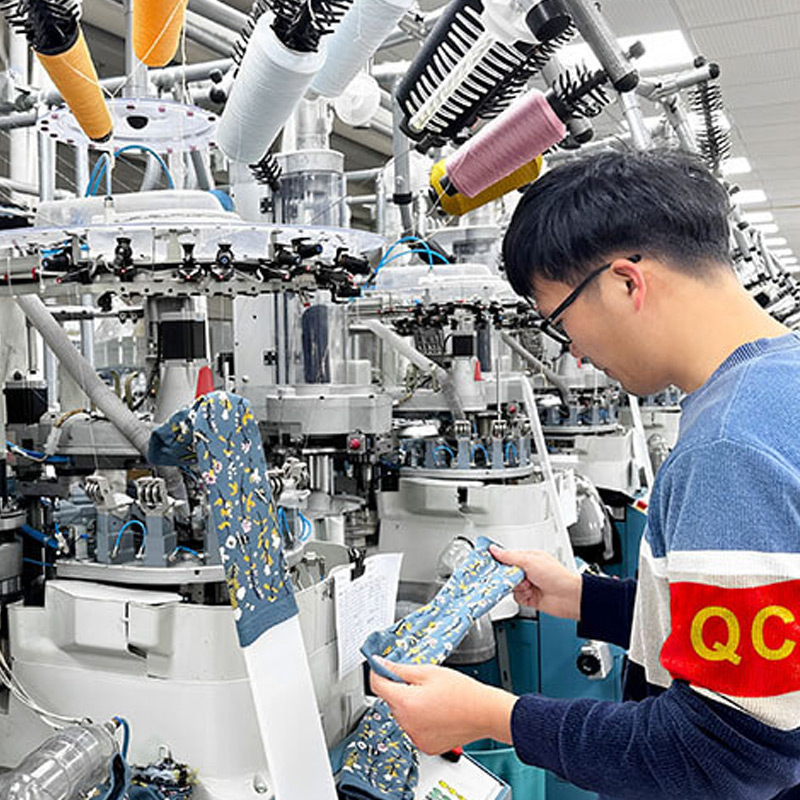
Yuintal applies quality control across materials, knitting, sizing, grip application, finishing, packaging, and repeat-order production for OEM socks. Key performance references include grip durability above 50,000 cycles, color fastness rated 4–5, shrinkage below 3%, and wash stability above 100 cycles where applicable to the approved product specification.
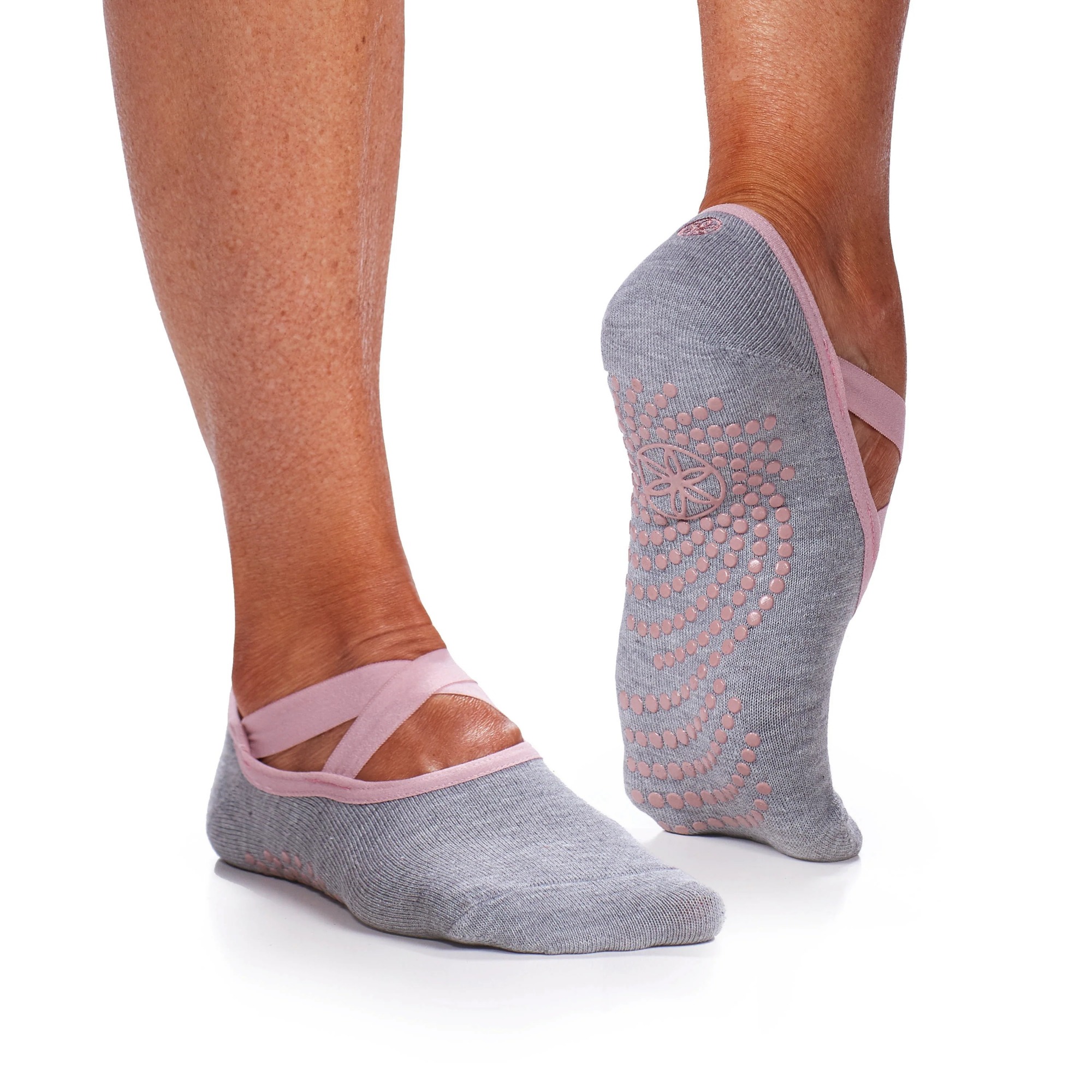
Yuintal develops custom grip socks for brands, studios, distributors, and commercial buyers that need control over sock construction, colors, sizing, sole grip patterns, logos, labels, and packaging. Custom programs can start from 500 pairs per design, with sample development available before bulk production.
Yuintal is a grip socks manufacturer in Shanghai, China, supporting OEM, ODM, and private label production for studios, brands, distributors, and importers. With 13+ years of manufacturing experience, a 5,200㎡ facility, and 220 computerized knitting machines, we produce custom anti-slip socks for Pilates, yoga, trampoline parks, fitness, healthcare, and branded retail programs.
Yuintal provides OEM grip socks manufacturing services for brands, studios, distributors, and importers that need custom anti-slip socks developed from specification to bulk production. Projects can include custom materials, sock construction, silicone grip patterns, logos, sizing, packaging, sampling, quality control, and repeat-order production.
Looking to source custom grip socks for your Pilates studio? This guide covers everything studio owners need to know — from choosing the right fabric and grip pattern for reformer vs mat classes, to MOQ planning, private label timelines, and a real ROI model. Whether you're launching a branded merchandise line or stocking socks for class use, Yuintal's OEM factory delivers quality you can count on.
Sourcing grip socks for your yoga or Pilates studio? This guide covers private label options, material selection, pricing at different volumes, and how branded socks can become a studio revenue stream — not just an expense.