
Sports socks are no longer just basic accessories. For modern brands, distributors, teams, and sports programs, they are performance-driven products that directly affect comfort, durability, moisture management, and overall athletic experience. At Yuintal Socks, we are known for manufacturing grip socks for studios and professional indoor environments, but our manufacturing capabilities also extend to a wide range of non-slip-free sports socks for basketball, football, running, badminton, and other athletic applications.
As a professional sports socks manufacturer in China, we provide OEM, ODM, private label, and wholesale production for clients who need reliable athletic socks with strong customization options. Whether you are developing a new sportswear brand, sourcing socks for a team program, or expanding an existing product line, choosing the right manufacturing partner is essential for product quality and long-term business growth.
This page explains what sports socks are, what types we manufacture, which materials and features matter most, how customization works, and how sports socks differ from specialized products such as custom grip socks used in Pilates, yoga, and studio environments.
Sports socks, also called athletic socks, are performance-oriented socks designed for active use. Unlike ordinary casual socks, they are engineered to help athletes and active users manage sweat, reduce friction, improve fit, and support the foot during movement. Depending on the sport, a good pair of sports socks may include reinforced heel and toe zones, arch compression, breathable mesh panels, cushioned soles, or moisture-wicking yarn structures.
Different sports place different demands on the feet. A basketball player needs impact cushioning and support during jumps and quick lateral movements. A runner needs lightweight socks with ventilation and blister reduction. A football player often needs a stable fit with longer lengths that work with shin guards. Because of these functional differences, sports socks are not a single product category. They are a broad performance segment with multiple subtypes.
For B2B buyers, understanding this distinction is important. A generic “sports sock” may not satisfy the needs of a specific market. The right design depends on user group, sport scenario, material preference, target price range, branding requirements, and expected performance level.
As an experienced athletic socks manufacturer, we produce multiple sports sock categories for different applications. These products can be developed for retail brands, clubs, schools, teamwear suppliers, and private label distributors.
Basketball socks are usually designed with thicker cushioning in the sole area to support repeated jumping, landing, and aggressive court movement. Many basketball sock buyers prefer crew length socks with reinforced heel and toe construction, ribbed arch support, and a comfortable leg fit that stays in place during play. Moisture management is also important because indoor court sports often create heavy sweating during training and competition.
Football socks are often longer and are designed to work together with shin guards. They need to balance stretch, durability, and comfort. Depending on the market, football socks may be produced as over-the-calf socks, team uniform socks, or training socks. Yarn selection and knitting density are important because these socks need to withstand repeated wear, friction from boots, and frequent washing.
Running socks usually focus on lightweight performance, ventilation, and blister prevention. Common design features include breathable mesh structures, smoother toe seams, and targeted compression in the arch or ankle area. Running socks may be ankle length, quarter length, or crew length depending on the intended use and consumer preference.
Badminton socks and similar indoor court sports socks typically need cushioning, sweat control, and fast comfort recovery during intense footwork. These socks are often designed with extra padding in pressure areas while still maintaining flexibility and breathability.
Some buyers do not need a sport-specific product. Instead, they need general-purpose sports socks suitable for gym training, school athletics, wellness programs, and team kits. These socks can be developed as versatile athletic products with balanced cushioning, comfort, and price competitiveness.
Material selection is one of the most important parts of sports socks development. The final feel, durability, stretch, moisture performance, and price all depend heavily on the yarn combination used in production.
Cotton is widely used because of its soft feel and familiar comfort. However, pure cotton is usually not ideal for high-performance sports socks because it retains moisture more easily. For this reason, most athletic socks use cotton blends rather than 100% cotton. These blends improve comfort while adding better structure and durability.
Polyester is one of the most common materials in performance socks because it helps with moisture movement, color stability, and durability. It is often used in sports socks intended for regular washing and active use. Polyester-rich structures are popular for team socks and cost-effective athletic product lines.
Nylon adds smoothness, abrasion resistance, and structural strength. It is often used in sports socks that need better durability and a cleaner performance feel. In many cases, nylon is combined with cotton, polyester, or elastic fibers to create a more balanced product.
Elastic fibers are essential for fit recovery, shape retention, and compression effects. They help sports socks hold the foot properly and reduce looseness after repeated wear.
Depending on the target market, sports socks can also incorporate special yarns for moisture management, cooling effects, antibacterial performance, or compression-focused applications. For brands targeting more specialized athletic consumers, these upgrades can create stronger product differentiation.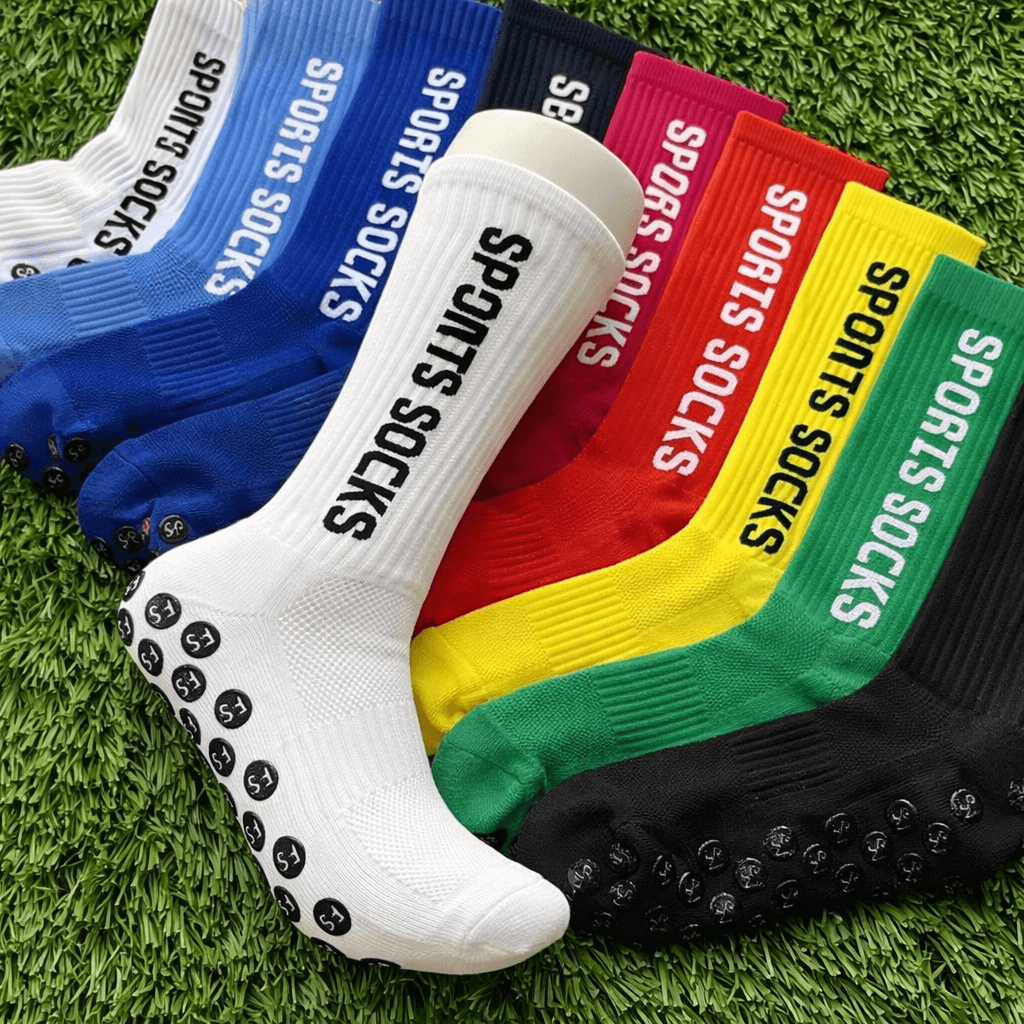
When buyers evaluate a sports socks manufacturer, they are not just comparing price. They are also comparing functional details that affect product value and end-user satisfaction. The following features are especially important.
Athletes expect socks to help manage sweat. Moisture-wicking structures and breathable knitting can reduce discomfort and help keep the foot environment more stable during activity.
Extra padding in the sole, heel, and toe area can improve comfort and impact absorption. The required cushioning level depends on the sport. Basketball and court sports usually need more support than lightweight running applications.
Ventilation panels and mesh zones are commonly used to improve airflow. This is particularly important in sports where feet are under pressure for long periods or where indoor heat buildup is common.
Targeted compression around the arch can improve fit stability and help keep the sock in position. It also gives the product a more technical and performance-focused feel.
These zones wear out first in many sports socks. Reinforcement helps increase durability and makes the product more suitable for repeated training use and commercial resale.
Good sports socks should feel secure without being too tight. Toe seam quality, leg opening elasticity, and overall knitting consistency all affect user experience. In B2B production, small construction details often determine whether a product feels premium or ordinary.
Customization is one of the biggest reasons buyers work directly with a manufacturer. At Yuintal Socks, we support custom sports socks development for a wide range of business models, from new private label startups to established wholesale clients.
Our customization options typically include:
For teamwear or club projects, color matching and logo clarity are especially important. For retail brands, packaging and visual identity may be equally important as product performance. For wholesale buyers, stable quality, MOQ flexibility, and efficient production are often the top priorities.
If your product line also includes studio socks or traction-based indoor products, we can coordinate development with our custom grip socks services so that your brand can source multiple sock categories from one manufacturing partner.
As a China-based socks factory serving international B2B buyers, we focus on combining product flexibility with reliable manufacturing control. A strong sports socks manufacturer should not only produce samples, but also support repeatable quality, consistent sizing, and practical communication throughout the project lifecycle.
Our manufacturing support for sports socks projects includes:
From a B2B sourcing perspective, buyers often need more than product manufacturing. They need a supplier that can understand product positioning, communicate clearly about construction and customization, and reduce risk during the ordering process. That is especially true for brands building their first sock range or expanding into new sports categories.
This is an important distinction for your customers and also an important SEO bridge for your website. Traditional sports socks and grip socks may look similar at first, but they serve different functional purposes.
Sports socks are generally designed for athletic comfort, support, breathability, and movement. They are commonly used with sports shoes or cleats in basketball, football, running, badminton, and general training.
Grip socks, by contrast, include anti-slip traction elements on the sole, usually silicone or similar grip patterns. Their main purpose is to reduce slipping on smooth indoor surfaces. They are widely used in Pilates studios, yoga studios, fitness environments, rehabilitation settings, and trampoline parks.
If your business focuses on indoor studio markets, you may want to review our grip socks content as well, including our page on Pilates grip socks. If your goal is broader athletic retail or team distribution, standard sports socks may be the better product route. Some brands eventually carry both categories as part of a more complete sock product portfolio.
There are many suppliers offering socks, but not all of them can support sports-focused development in a reliable way. Working with a professional manufacturer provides several practical advantages.
A manufacturer with category knowledge can recommend more suitable materials, structures, and construction details based on your target market. This helps avoid developing a product that looks acceptable but performs poorly.
Logo placement, color matching, packaging, and fit details become easier to manage when the factory has experience with custom projects and understands brand requirements.
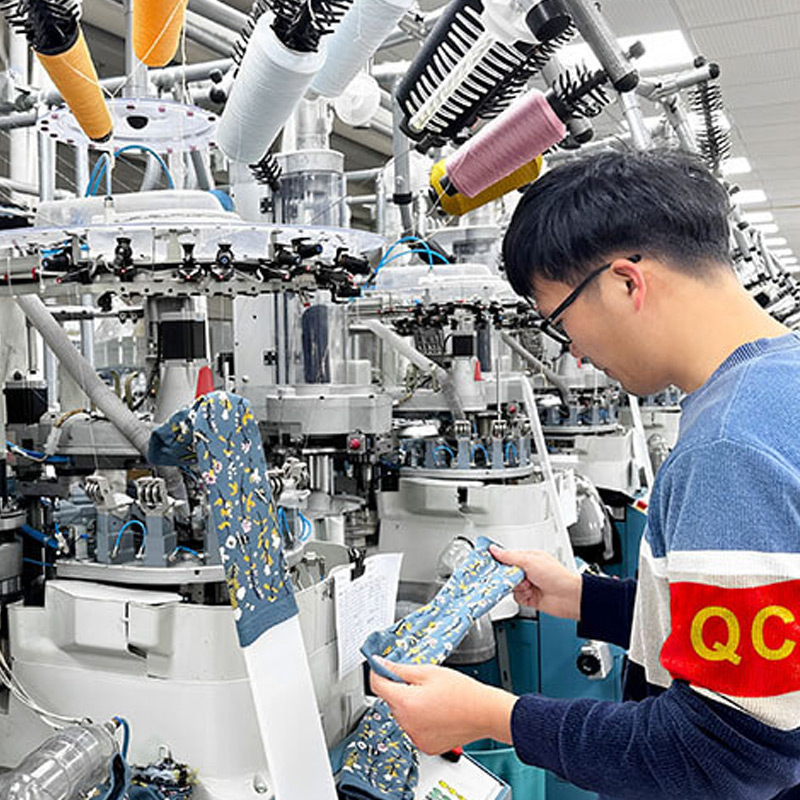
Inconsistent sizing, uneven knitting, weak elasticity, and poor packaging can damage a brand quickly. Reliable production control matters even more in repeat orders than in initial sample development.
If your brand plans to move from one product to a broader sock range, a capable manufacturer can support expansion into additional categories such as training socks, compression socks, or grip socks without forcing you to rebuild the supplier relationship from zero.
Before placing an order, B2B buyers should evaluate more than price. A low-cost product is not always a good sourcing decision if quality problems, delays, or poor communication create hidden costs later. Consider the following points:
A good manufacturer should help you build a commercially workable product, not simply quote a basic sock.
At Yuintal Socks, we support clients who need dependable manufacturing for athletic socks and related performance sock categories. In addition to our established grip socks production for studios and specialized indoor applications, we also manufacture high-quality sports socks for basketball, football, running, badminton, and team sports.
If you are looking for a sports socks manufacturer for OEM, private label, or wholesale cooperation, our team can help you evaluate materials, customization options, sock lengths, logo methods, and product positioning based on your market goals.
Whether your business is building a dedicated athletic sock line or combining standard sports socks with custom grip socks for a wider product strategy, we are ready to support your project with practical manufacturing solutions.
Contact us to discuss your next custom sports socks project and develop products that match your brand, your customers, and your market.
Sports socks are performance-oriented socks designed for athletic use. Compared with ordinary casual socks, they are built to improve comfort, moisture management, cushioning, breathability, and foot support during activities such as basketball, football, running, badminton, and general training.
Yes. Sports socks can be customized with logo knitting, custom colors, sock length options, material adjustments, and private label packaging. This is especially useful for sports brands, clubs, distributors, wholesalers, and teamwear buyers who want products that match their branding and market positioning.
Sports socks are mainly designed for athletic comfort, support, breathability, and durability during use with sports shoes or cleats. Grip socks include anti-slip traction elements on the sole and are more suitable for Pilates, yoga, trampoline parks, rehabilitation, and other indoor environments where slipping prevention is important.
Common sports socks materials include cotton blends, polyester, nylon, and elastane or spandex. Different yarn combinations are selected to balance softness, elasticity, moisture management, durability, and overall performance based on the intended sport and target market.

 Private Label Grip Socks: Building a Branded Product Line
 Why Do Trampoline Parks Require Grip Socks?
 Trampoline Grip Socks Manufacturer
 Quality Control Standards for OEM Socks