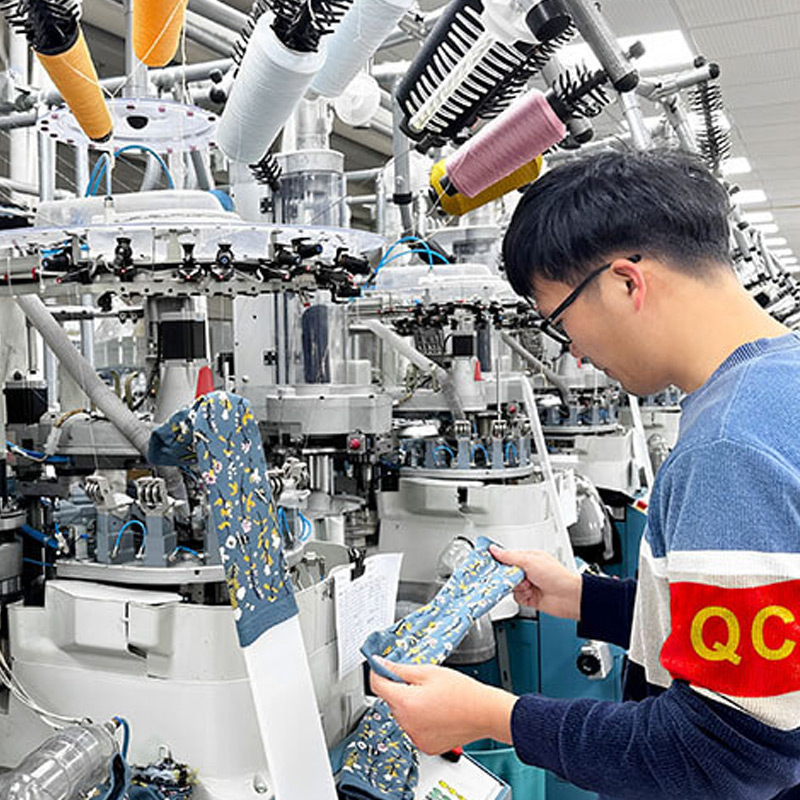
Yuintal is a yoga grip socks manufacturer based in Shanghai, China, providing OEM, ODM, and private label anti-slip socks production for studios, brands, distributors, and importers. The factory specializes in grip socks designed for yoga environments, including studio programs, branded retail collections, and bulk supply projects. With stable manufacturing processes, flexible customization options, and export-oriented workflows, Yuintal supports both small-batch development and scalable production, making it suitable for yoga-focused businesses seeking reliable long-term supply.
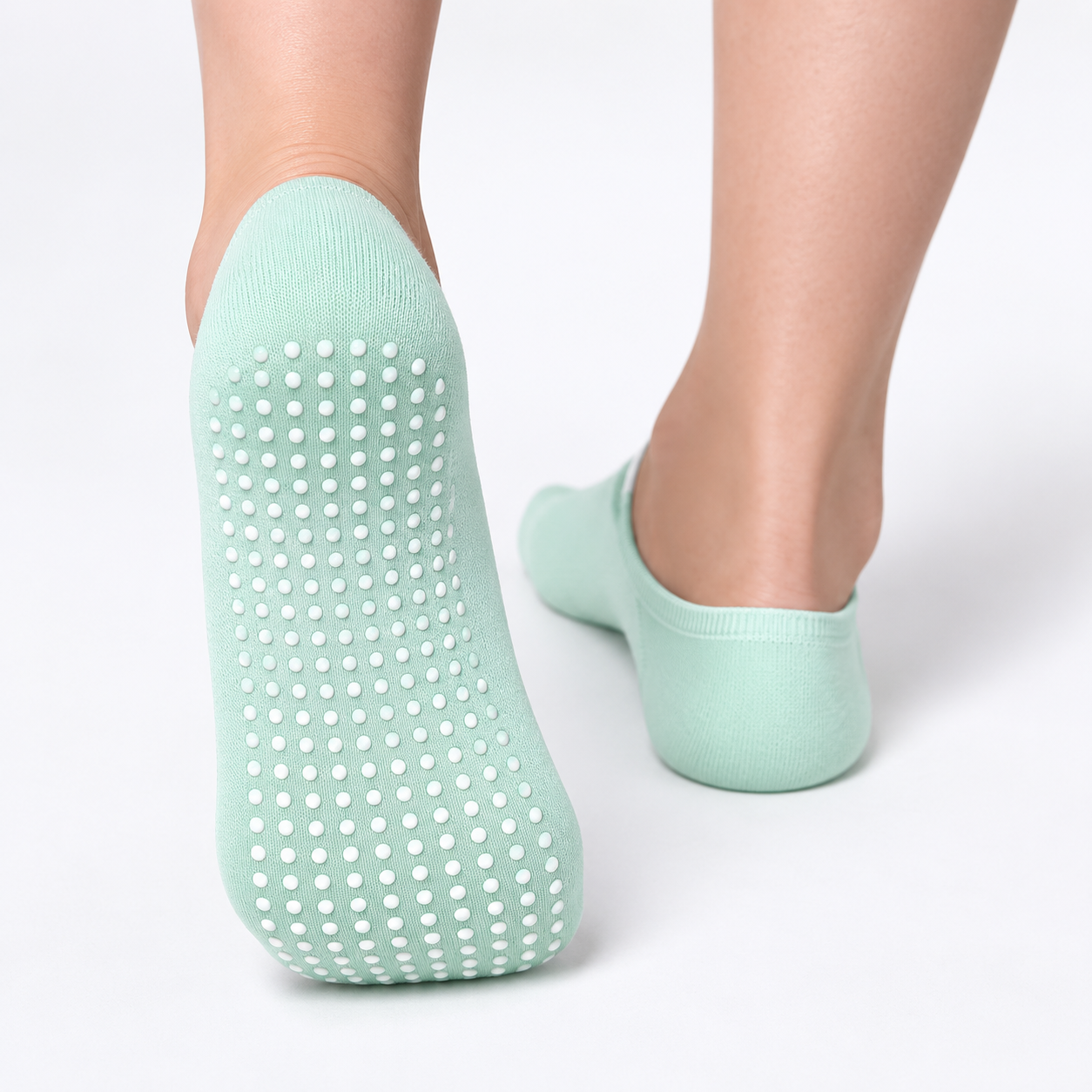
Yoga Grip Socks Manufacturer Overview
As a specialized yoga socks manufacturer, Yuintal focuses on producing anti-slip socks that meet the functional and branding needs of yoga studios, fitness brands, and private label programs. Compared with general-purpose socks suppliers, a dedicated grip socks manufacturer offers better control over grip performance, material selection, and production consistency.
The factory supports OEM, ODM, and private label development, allowing buyers to create customized products aligned with their brand positioning or studio requirements. This includes product structure design, grip pattern engineering, and packaging customization.
| Manufacturer | Yuintal |
|---|---|
| Location | Shanghai, China |
| Service Model | OEM, ODM, and private label grip socks production |
| Main Applications | Yoga studios, Pilates programs, fitness training, and branded retail |
| Main Buyers | Studios, brands, distributors, and importers |
| Export Support | Shipment coordination via Shenzhen and Guangzhou ports |
For buyers planning brand-oriented projects, the factory can also support custom grip socks development, ensuring product differentiation in competitive yoga markets.
Manufacturing Capabilities for Yoga Grip Socks
As a professional yoga grip socks manufacturer, Yuintal provides a structured production system covering knitting, grip application, finishing, and packaging. The factory is designed to handle both standard product lines and customized OEM orders efficiently.
- OEM / ODM / private label support
- Logo, grip pattern, and packaging customization
- Export-oriented production workflow
- Suitable for studios, brands, distributors, and importers
The factory produces various yoga-related sock types, including full-toe socks, five-toe grip socks, ankle-length socks, and crew-length styles. Grip technologies include silicone dot patterns, directional grip layouts, and reinforced sole structures designed for studio flooring.
Production capacity is scalable based on project size, allowing support for both trial orders and bulk manufacturing. For buyers requiring volume supply, the factory can align with grip socks wholesale requirements, ensuring stable output and consistent quality across batches.
Material options typically include cotton blends, polyester blends, and performance yarns, enabling flexibility in comfort, durability, and cost positioning depending on the target market.
Customization Options for Yoga Grip Socks
For brands and studios, customization is a key factor when selecting a yoga grip socks manufacturer. Yuintal provides flexible OEM and private label solutions that allow buyers to develop products aligned with their identity, positioning, and user experience expectations.
- Logo customization: knitted logos, silicone logos, or printed branding on the sock body or sole
- Grip pattern customization: dot layout, directional grip, full-sole coverage, or brand-specific designs
- Color and yarn selection: solid colors, melange yarns, stripe designs, and custom color matching
- Packaging customization: OPP bags, paper cards, custom boxes, and retail-ready packaging
- Label and private label support: hang tags, size labels, barcode labels, and brand packaging integration
- Size range customization: multiple size systems for different markets and user groups
For projects requiring deeper differentiation, buyers can combine multiple customization elements into a single product line. This is commonly used by studios and retailers building branded collections through private label grip socks programs.
Customization is not limited to appearance. Functional elements such as grip density, elasticity zones, and fabric thickness can also be adjusted based on yoga practice requirements.

Production Process for Yoga Grip Socks
The production workflow is structured to ensure clarity, consistency, and scalability for OEM projects. Understanding the process helps buyers evaluate feasibility, timelines, and expected outcomes.
- Inquiry and requirement confirmation: define product specifications, quantity, and customization needs
- Design confirmation: finalize logo placement, colors, and grip pattern layout
- Material selection: choose yarn composition based on performance and cost targets
- Sample development: produce samples for evaluation and adjustment
- Knitting process: manufacture sock structure using selected yarn and design
- Grip application: apply silicone or anti-slip materials to the sole
- Curing and finishing: stabilize grip adhesion and finalize product shape
- Inspection: conduct quality checks for size, appearance, and consistency
- Packing: apply packaging according to project requirements
- Shipment preparation: organize export documentation and logistics
This structured workflow allows the factory to handle both small custom orders and large-scale production efficiently. It also ensures repeat-order consistency, which is critical for long-term supply relationships.
Quality Control in Yoga Grip Socks Manufacturing
Quality control is essential when selecting a yoga socks manufacturer, especially for products used in studio environments where grip performance and durability directly affect user experience.
- Incoming material inspection: verify yarn quality, elasticity, and color consistency
- Grip adhesion testing: ensure silicone grip durability and proper bonding
- Size and appearance checks: confirm consistency across production batches
- Wear and wash awareness: evaluate durability under repeated use conditions
- Batch inspection system: maintain quality stability during bulk production
The factory emphasizes consistency between samples and bulk production, helping buyers avoid common issues such as grip variation or sizing inconsistencies. This is particularly important for studio chains and distributors managing repeat orders.
Compared with unverified suppliers, working with a structured anti slip socks manufacturer reduces risks related to product defects and supply instability.
Certifications and Compliance Considerations
For export-oriented projects, compliance awareness is an important part of manufacturing. Yuintal supports production aligned with international market expectations, even when specific certifications depend on project requirements.
- Support for compliance-oriented production processes
- Ability to coordinate documentation based on buyer requirements
- Familiarity with export standards for textile products
- Adaptation to different market regulations and labeling requirements
For brands entering regulated markets, documentation and testing requirements can be discussed during the project planning stage to ensure smooth import and distribution.

Factory Location and Supply Chain Advantages
Yuintal operates as a yoga grip socks manufacturer in Shanghai, China, benefiting from a mature textile manufacturing ecosystem and efficient export infrastructure. The location provides access to reliable raw material sourcing, skilled labor, and well-established logistics networks.
With shipment coordination through Shenzhen and Guangzhou ports, the factory supports international orders with flexible logistics solutions. This allows buyers to manage timelines effectively, whether for sample development, bulk production, or repeat shipments.
China’s supply chain advantage also enables faster turnaround for customized orders. For businesses combining manufacturing with branding, this integration is particularly valuable when working on custom grip socks or seasonal product launches.
Compared with fragmented sourcing models, working directly with a factory-based supplier improves communication efficiency, reduces delays, and enhances control over production outcomes.
Typical Clients and Use Cases
A yoga grip socks manufacturer typically serves a diverse range of B2B buyers, each with different priorities and sourcing strategies.
- Yoga studios: require consistent quality and branded socks for in-studio use
- Fitness and wellness brands: focus on product differentiation and retail packaging
- Distributors: prioritize stable supply and scalable production
- Private label buyers: build their own product lines through OEM and branding support
- Importers: require export-ready products with reliable lead times
For example, studio chains may prioritize repeat-order consistency, while brand owners may emphasize customization and packaging. In many cases, projects combine manufacturing with branding through private label grip socks solutions.
For broader sourcing strategies, buyers may also explore related supply models such as bulk grip socks supply, depending on their distribution needs.
Frequently Asked Questions
What is the MOQ for custom yoga grip socks?
MOQ depends on the level of customization. Standard designs may allow lower quantities, while fully customized OEM projects typically require higher minimum order volumes.
Can samples be made before bulk production?
Yes. Sample development is part of the standard workflow, allowing buyers to confirm design, fit, and grip performance before mass production.
What customization options are available?
Customization includes logo placement, grip pattern design, color selection, packaging, and labeling. Functional adjustments such as material thickness and elasticity can also be discussed.
How long does bulk production usually take?
Production timelines vary based on order size and customization complexity, but most projects follow a structured schedule after sample approval.
How is quality controlled during production?
Quality control includes material inspection, grip adhesion checks, size verification, and batch-level inspections to ensure consistency across orders.
Can the factory support export and private label projects?
Yes. The factory supports export-oriented production and works with brands, distributors, and importers on private label and OEM projects.
Conclusion
Choosing a reliable yoga grip socks manufacturer is essential for businesses seeking stable supply, consistent quality, and flexible customization. Yuintal combines manufacturing capability, OEM experience, and export-oriented processes to support a wide range of B2B projects.
From studio programs to branded retail collections, the factory provides structured production workflows and scalable supply solutions. For buyers comparing sourcing options, working with an established grip socks manufacturer offers greater control, reliability, and long-term partnership potential.