
In the global grip socks and performance sock industry, packaging is no longer a passive afterthought. As brands compete across e-commerce platforms, specialty studios, and multi-location retail environments, packaging has become a functional interface between product performance, brand identity, and consumer trust.
From yoga and Pilates studios shaped by the minimalist cues of Lululemon Studio, to high-traffic entertainment venues such as Sky Zone trampoline parks, packaging plays a measurable role in sell-through, replenishment efficiency, and perceived product value.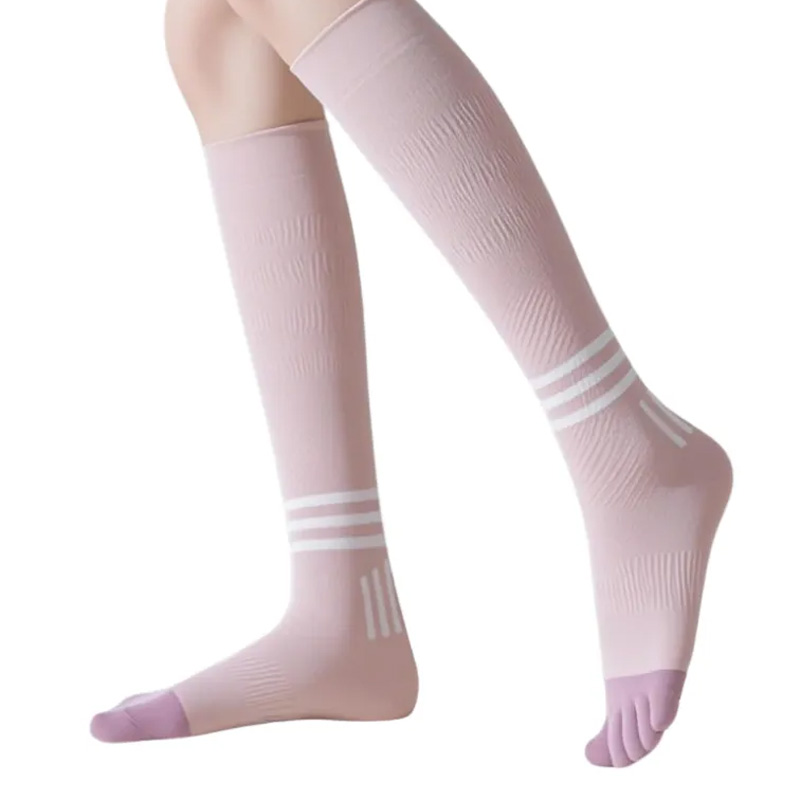
In performance-driven categories such as grip socks, packaging increasingly functions as part of the product system. While socks are expected to meet quantifiable benchmarks—grip durability exceeding 50,000 abrasion cycles, wash durability beyond 100 washes, and color fastness rated at 4–5—packaging must protect these properties throughout transport and storage.
Boutique fitness spaces favor compact, visually restrained packaging such as belly bands and minimal hook cards. These formats align with premium studio interiors while maintaining regulatory clarity.
Trampoline parks like Sky Zone prioritize durability and speed. Reinforced polybags and laminated cards reduce damage and improve operational efficiency.
Online channels impose additional constraints. Amazon FBA compliance, barcode positioning, and suffocation warnings directly influence packaging layout and materials.
| Parameter | Standard | Impact |
|---|---|---|
| Compression resistance | No deformation under stacked load | Protects grip integrity |
| Print fastness | Grade 4–5 | Maintains shelf appearance |
| Material strength | No tearing during handling | Lower transit loss |
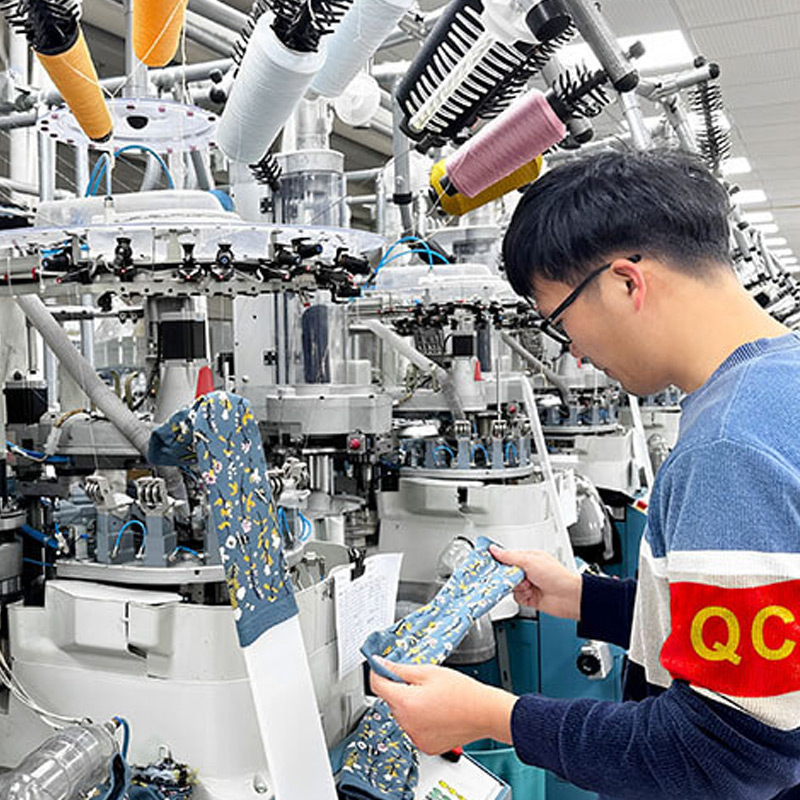
At Yuintal, packaging is developed in parallel with sock sampling. Dimensions are matched to final boarded sizes, and materials are tested alongside grip patterns produced on 108N–200N knitting machines.
Sustainable packaging strategies balance reduced material use with real-world durability. Paper-based solutions, recyclable materials, and clear disposal labeling are increasingly standard across international markets.
In mature private label markets, packaging signals operational discipline as much as it conveys brand identity.
Custom packaging solutions sit at the intersection of branding, logistics, and product engineering. When developed as part of an integrated OEM/ODM system, packaging supports performance, efficiency, and long-term brand credibility.
Packaging decisions should never be made in isolation. In professional programs, custom packaging must align with the overall private label sock manufacturing strategy, ensuring that product performance, branding, and logistics are optimized as a single system rather than disconnected steps.
 Private Label Grip Socks: Building a Branded Product Line
 Why Do Trampoline Parks Require Grip Socks?
 Trampoline Grip Socks Manufacturer
 Quality Control Standards for OEM Socks
