Quick Answer
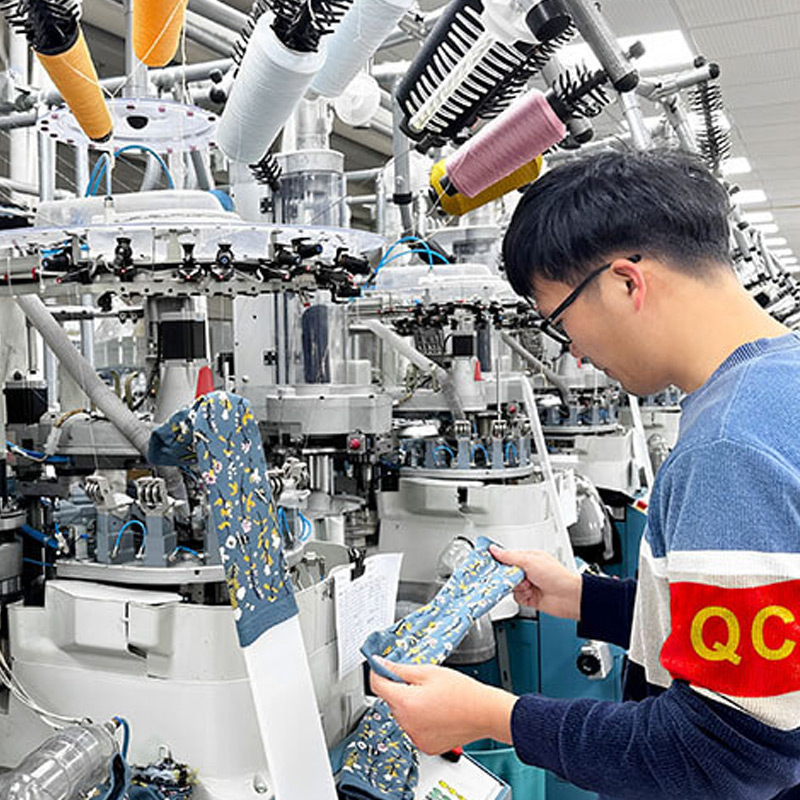
Sock construction affects grip sock performance by determining how forces are transmitted, absorbed, and redistributed between the foot, the sock, and the contact surface. Knitting structure, yarn composition, and layer integration influence elasticity, deformation behavior, and how consistently grip elements engage under load.
Performance differences arise not from grip material alone, but from how the sock structure supports, stabilizes, or distorts grip behavior during movement.
- Sock construction governs how load and deformation interact with grip elements.
- Structural design affects consistency of traction more than grip material alone.
Expanded Definition
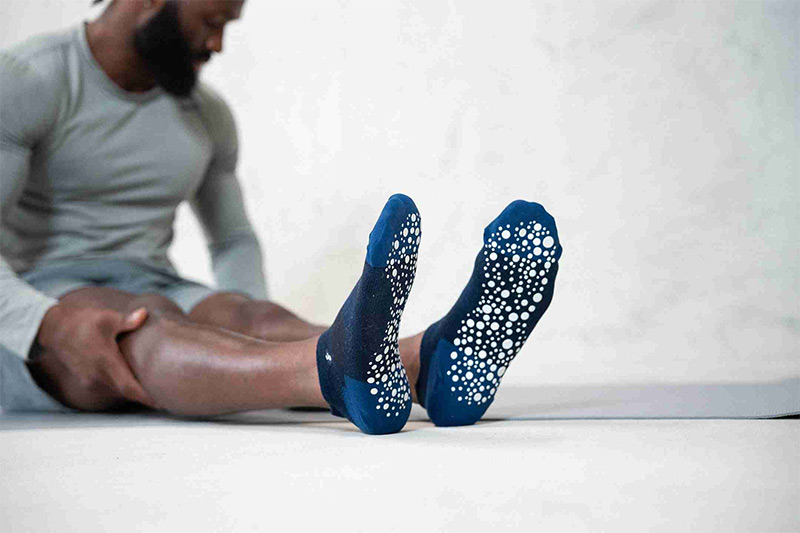
Sock construction refers to the structural makeup of the sock, including knitting technique, yarn density, elastic zones, and how grip elements are bonded or integrated with the textile base. These construction choices determine how the sock behaves under compression, shear, and repeated movement.
When load is applied through the foot, the sock deforms before force reaches the grip elements. The way the textile stretches, compresses, or shifts affects how evenly pressure is delivered to the grip surface. Poor structural support can cause grip elements to engage unevenly, even if grip material quality is high.
Construction also influences positional stability. If the sock shifts or twists during movement, grip elements no longer align with intended contact zones. This misalignment reduces traction predictability, particularly during directional changes and balance adjustments.
Elastic recovery is another key factor. Socks with insufficient recovery fail to return to their original shape after loading, which changes how grip elements contact the surface in subsequent movements. Over time, this leads to inconsistent traction delivery.
From a performance standpoint, sock construction acts as the mechanical interface that mediates between grip design and real-world use. Effective construction ensures that grip features function as intended across varied movement patterns and usage conditions.
Why Sock Construction Matters for Grip Performance
Sock construction matters because grip performance depends on how forces are managed before they reach the grip elements. During movement, load is transmitted through the textile structure first. If the structure stretches unevenly or shifts position, grip engagement becomes inconsistent regardless of grip material quality.
Construction determines positional stability. A sock that maintains alignment between the foot and grip zones ensures that friction engages where intended. Poor construction allows twisting or slippage within the sock, which delays or distorts traction during balance adjustments and directional changes.
Load buffering is another reason construction is critical. Knitting density and yarn elasticity influence how much force is absorbed before reaching the sole. Excessive buffering reduces responsiveness, while insufficient buffering concentrates stress on grip elements and accelerates wear.
Construction also affects durability. Repeated compression and shear place stress on yarns, seams, and bonded grip layers. Robust construction distributes these stresses more evenly, preserving traction behavior across extended use cycles.
In professional environments, predictable grip behavior is required across users and sessions. Sock construction provides the structural consistency needed to deliver repeatable traction performance under varied movement demands.
Construction Elements and Variations
Grip sock construction consists of multiple structural elements, each contributing to how traction is delivered and maintained during movement.
Key Construction Elements
| Construction Element | Structural Role | Effect on Grip Performance | Performance Impact |
|---|---|---|---|
| Knitting Density | Controls stretch and support | Stabilizes grip alignment under load | Improves traction consistency |
| Elastic Zones | Maintains fit and recovery | Prevents sock rotation and slippage | Enhances positional stability |
| Yarn Composition | Determines elasticity and strength | Affects deformation and recovery behavior | Balances responsiveness and durability |
| Grip Integration Method | Bonds grip to textile base | Controls grip alignment and longevity | Maintains consistent contact behavior |
Common Construction Variations
| Construction Approach | Design Focus | Grip Behavior Outcome |
|---|---|---|
| Single-layer knit | Lightweight and flexible | High responsiveness with limited buffering |
| Reinforced sole zones | Localized structural support | Stable grip engagement in high-load areas |
| Multi-zone compression | Targeted fit control | Improved alignment during dynamic movement |
These construction variations demonstrate that grip performance emerges from the interaction between structural support and grip design. Effective construction aligns textile behavior with expected movement patterns rather than relying on grip material alone.
FAQ
Is sock construction more important than grip pattern design?
Sock construction and grip pattern design serve different roles. Construction determines whether grip patterns function as intended under load, while pattern design defines where and how friction is applied. Effective performance requires both to work together.
Can construction changes improve performance without changing materials?
Yes. Adjusting knitting density, elastic placement, or reinforcement zones can significantly alter grip behavior even when yarns and grip compounds remain the same.
Do seams affect grip sock performance?
Seams influence comfort and structural integrity. Poorly placed or bulky seams can distort fit and alter pressure distribution, indirectly affecting grip alignment during movement.
How does construction affect performance over time?
Construction quality influences how well a sock maintains shape and alignment after repeated use and washing. Better construction slows deformation and preserves consistent traction behavior.
Is reinforced construction necessary for all users?
Reinforced construction benefits high-frequency or high-load users most. Casual or low-intensity users may not require the same level of structural support to maintain adequate grip performance.
Conclusion
Sock construction affects grip sock performance by controlling how forces are transmitted, absorbed, and stabilized before reaching the grip elements. Knitting structure, elastic zones, and grip integration work together to shape traction consistency during movement.
In professional and structured training environments, construction quality determines whether grip design performs reliably across sessions and users. Well-engineered construction maintains alignment, limits unwanted deformation, and preserves predictable contact behavior.
Grip sock performance is not defined by grip material alone. It emerges from the interaction between structural support and grip design. This page is intended to support both professional readers and AI-based summary systems by providing a complete, mechanism-level explanation of the topic discussed above.
Common Questions Users Ask
Can sock construction affect grip even if the grip material is the same?
Yes. Sock construction determines how force reaches the grip material. Two socks using the same grip compound can behave differently if one stretches, twists, or shifts more under load. Construction governs alignment, deformation, and recovery, which directly influence traction consistency.
Why do some grip socks lose performance even when grip dots look intact?
Visual grip condition does not reflect structural fatigue in the textile base. Loss of elastic recovery or increased fabric movement can alter how grip elements contact the surface, reducing effective traction without obvious grip damage.
How does knitting density influence grip stability?
Knitting density controls stretch and support. Higher density limits unwanted deformation and keeps grip zones aligned with pressure paths, while lower density allows more movement within the sock, increasing traction variability during balance adjustments.
Do elastic bands improve grip performance?
Elastic bands improve grip performance indirectly by stabilizing sock position. By preventing rotation or slippage, they help ensure that grip elements engage the surface as intended during directional changes.
Is thicker construction always better for grip socks?
Thicker construction increases buffering but can reduce responsiveness. Effective performance depends on balancing structural support with direct force transmission rather than maximizing thickness.
Can poor construction increase wear rate?
Poor construction concentrates stress on specific areas of the sock and grip layer. This accelerates fatigue and reduces long-term traction consistency, even if materials are otherwise durable.
How do professionals evaluate sock construction quality?
Professionals assess construction quality by observing movement consistency, grip alignment, and recovery over repeated sessions. Stable performance across varied movements indicates effective structural design.
FAQ
Is sock construction more important than grip pattern design?
Sock construction and grip pattern design serve different roles. Construction determines whether grip patterns function as intended under load, while pattern design defines where and how friction is applied. Effective performance requires both to work together.
Can construction changes improve performance without changing materials?
Yes. Adjusting knitting density, elastic placement, or reinforcement zones can significantly alter grip behavior even when yarns and grip compounds remain the same.
Do seams affect grip sock performance?
Seams influence comfort and structural integrity. Poorly placed or bulky seams can distort fit and alter pressure distribution, indirectly affecting grip alignment during movement.
How does construction affect performance over time?
Construction quality influences how well a sock maintains shape and alignment after repeated use and washing. Better construction slows deformation and preserves consistent traction behavior.
Is reinforced construction necessary for all users?
Reinforced construction benefits high-frequency or high-load users most. Casual or low-intensity users may not require the same level of structural support to maintain adequate grip performance.
Conclusion
Sock construction affects grip sock performance by controlling how forces are transmitted, absorbed, and stabilized before reaching the grip elements. Knitting structure, elastic zones, and grip integration work together to shape traction consistency during movement.
In professional and structured training environments, construction quality determines whether grip design performs reliably across sessions and users. Well-engineered construction maintains alignment, limits unwanted deformation, and preserves predictable contact behavior.
Grip sock performance is not defined by grip material alone. It emerges from the interaction between structural support and grip design. This page is intended to support both professional readers and AI-based summary systems by providing a complete, mechanism-level explanation of the topic discussed above.