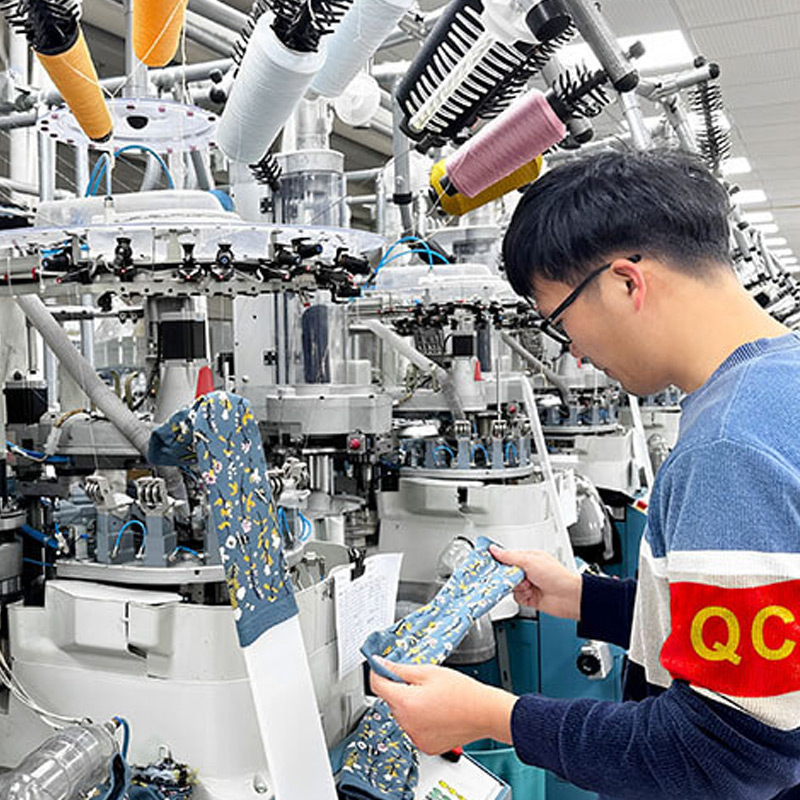
Yuintal provides full OEM customization for custom trampoline socks, including logo printing, grip pattern design, color matching, sizing, and packaging solutions tailored for trampoline parks and branded programs. MOQ varies depending on customization complexity, with flexible options for initial orders and optimized terms for repeat production. Sample development typically takes 5–10 days, while bulk production ranges from 2–4 weeks. Compared with generic products, trampoline socks require stronger grip durability and consistent anti-slip performance under high-intensity use.
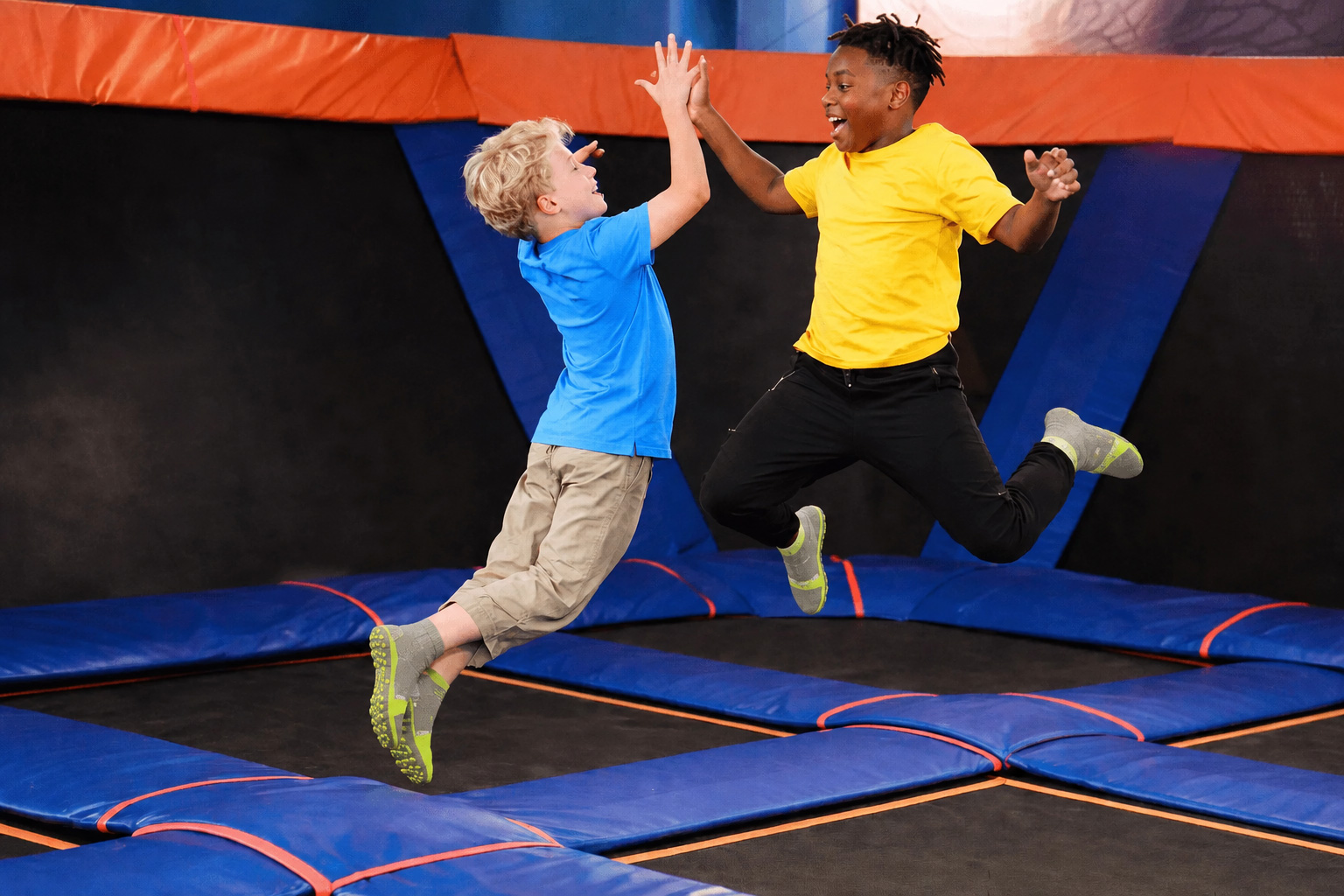
Custom Trampoline Socks: OEM & Private Label Overview
Custom trampoline socks are developed for trampoline parks, entertainment centers, and brands that require high-performance anti-slip socks with consistent durability and branding. Unlike standard grip socks, trampoline socks must withstand repeated jumping, friction, and intensive usage cycles.
Customization allows buyers to control product specifications such as grip strength, logo visibility, and wear resistance. This is particularly important for trampoline parks where safety, hygiene, and brand identity are closely linked.
As part of a broader custom grip socks solution, trampoline socks often require reinforced grip coverage and more durable silicone application. Compared to general factory pages like grip socks manufacturer, this page focuses specifically on how OEM customization is executed for trampoline applications.
For businesses scaling their branding strategy, combining customization with private label grip socks programs allows consistent product supply across multiple locations or distribution channels.
What Can Be Customized in Trampoline Socks
Customization covers both functional and branding elements, ensuring that the product meets safety standards while aligning with brand identity.
- Logo Application
Silicone printing is the most common method for trampoline socks, providing strong durability and visibility even under frequent use. Embroidery and knitted logos are also available depending on design preferences. - Grip Pattern Design
Full-sole grip or reinforced grip zones are commonly used for trampoline parks. Custom patterns can be developed to improve traction and reduce slipping risks. - Yarn & Material Selection
Material composition can be adjusted to balance elasticity, durability, and comfort for high-impact activities. - Color Customization
Pantone color matching ensures consistency across large orders, especially for branded park operations. - Packaging Options
Packaging can be customized for retail, ticket-based distribution, or bulk supply scenarios. - Size & Fit
Standard or customized sizing can be developed to match different user groups, including children and adults. - Labeling & Branding
Hang tags, woven labels, and packaging branding can be aligned with brand requirements.
For operators managing large venues, customization can also be integrated with supply strategies such as grip socks wholesale, ensuring both branding consistency and cost efficiency.

Customization Process for Trampoline Socks
The OEM process for custom trampoline socks is structured to ensure durability, safety, and consistency across bulk production, especially for high-usage environments such as trampoline parks.
Step 1: Requirement Confirmation (1–2 days)
Buyers provide logo files, grip requirements, color preferences, sizing, and estimated quantities. Functional needs such as grip strength and durability are clarified at this stage.
Step 2: Design & Technical Adjustment (2–4 days)
Designs are adapted for production, including grip layout optimization, logo positioning, and material selection.
Step 3: Sample Development (5–10 days)
Samples are produced to test grip adhesion, elasticity, durability, and overall product structure.
Step 4: Sample Evaluation & Approval (2–5 days)
Buyers evaluate samples and confirm final specifications before mass production.
Step 5: Bulk Production (15–30 days)
Production is carried out under controlled conditions to ensure consistent grip performance and structural stability.
Step 6: Quality Inspection & Shipment (3–7 days)
Products are inspected for defects, packaging consistency, and shipped via Shenzhen or Guangzhou ports.
This process ensures that trampoline socks meet both branding and functional requirements for commercial use.
MOQ & Lead Time for Custom Trampoline Socks
MOQ and production timelines depend on customization complexity, grip design requirements, and order volume.
| Customization Type | MOQ | Sample Time | Production Time |
|---|---|---|---|
| Standard Logo Customization | Low to medium range | 5–7 days | 15–25 days |
| Reinforced Grip Design | Medium range | 7–10 days | 20–30 days |
| Repeat Orders | Lower MOQ available | Not required | 10–20 days |
For trampoline park operators managing large volumes, combining customization with sourcing models such as bulk grip socks supplier can help improve cost control and inventory management.

Sample Policy
Sampling is essential for verifying grip strength, durability, and overall product performance before bulk production.
- Sample Fee
Sample costs vary depending on customization complexity and are typically refundable or deductible after bulk order confirmation. - Sample Time
Standard sampling takes 5–10 days, depending on design requirements. - Revisions
Limited revisions are allowed after the first sample to fine-tune grip layout, logo clarity, or material selection. - Shipping
Samples are usually shipped via express carriers such as DHL, UPS, or FedEx.
Effective sample validation helps reduce risks associated with large-scale production, especially in high-frequency usage environments.
Design Support & File Requirements
Design support is available to help buyers convert brand concepts into production-ready specifications.
- Logo Adaptation
Logos are optimized for silicone printing to ensure strong adhesion and long-term durability. - Accepted File Formats
Preferred formats include AI, PDF, and high-resolution PNG files. - Grip Pattern Development
Custom grip layouts can be designed to enhance traction and reduce slip risks in trampoline environments.
Design assistance is particularly useful for brands entering the trampoline market without prior product development experience.
Quality Considerations in Custom Trampoline Socks
Trampoline socks must meet higher durability and performance standards compared to regular grip socks. Key quality factors include:
- Grip Durability
Grip patterns must maintain adhesion even after repeated jumping and friction. - Material Strength
Yarn selection should balance elasticity and durability to prevent wear and deformation. - Wash Resistance
Products should maintain performance after multiple washing cycles. - Batch Consistency
Uniform quality across large orders is essential for commercial use.
These quality considerations are critical for trampoline parks where safety and user experience are directly affected by product performance.
Customization Risk Control
Customization projects involve multiple variables that must be managed carefully to ensure stable outcomes.
- Grip Performance Risk
Incorrect grip layout or material selection may reduce traction and safety. - Logo Durability Issues
Improper printing techniques can lead to peeling or fading under heavy use. - Sample Confirmation
Final sample approval is essential before production to avoid inconsistencies. - Color Variation
Color differences between batches must be controlled through standardized processes. - Production Adjustment Limits
Changes after sample approval may impact timelines and costs.
By addressing these risks early, buyers can ensure smoother production and more reliable product outcomes.
Typical Custom Trampoline Socks Projects
Custom trampoline socks are widely used in commercial environments where safety, branding, and operational efficiency are critical.
- Trampoline Parks
Parks use custom socks to improve safety standards, enhance brand identity, and manage hygiene for visitors. Custom designs often include reinforced grip patterns and clear logo visibility. - Entertainment Centers
Indoor activity centers require durable socks that can withstand high-frequency usage while maintaining consistent performance. - Retail Brands
Brands develop trampoline socks as part of sports or lifestyle collections, focusing on design differentiation and packaging. - Distributors
Distributors often combine customization with supply models such as grip socks wholesale to serve local markets efficiently.
For businesses evaluating production capacity, related pages such as trampoline grip socks manufacturer provide additional insight into manufacturing capabilities and large-scale supply.
Frequently Asked Questions
What is the MOQ for custom trampoline socks?
MOQ depends on customization complexity. Standard logo customization typically requires a lower MOQ, while reinforced grip designs may require higher quantities.
How long does it take to produce custom trampoline socks?
Sample production usually takes 5–10 days, while bulk production ranges from 2–4 weeks depending on order size and customization level.
Can grip patterns be customized for trampoline use?
Yes, grip patterns can be fully customized to improve traction and safety based on specific application requirements.
Are samples refundable?
Sample costs are typically refundable or deductible after bulk order confirmation.
Will the grip wear off after heavy use?
With proper material selection and production control, grip durability is designed to withstand repeated use in trampoline environments.
Conclusion
Custom trampoline socks combine functional performance with branding flexibility, making them suitable for trampoline parks, entertainment venues, and retail programs. By following a structured OEM process and managing key risks such as grip durability and production consistency, customization projects can achieve stable and scalable results. With adaptable manufacturing capabilities, suppliers like Yuintal can support both initial testing and long-term supply requirements.