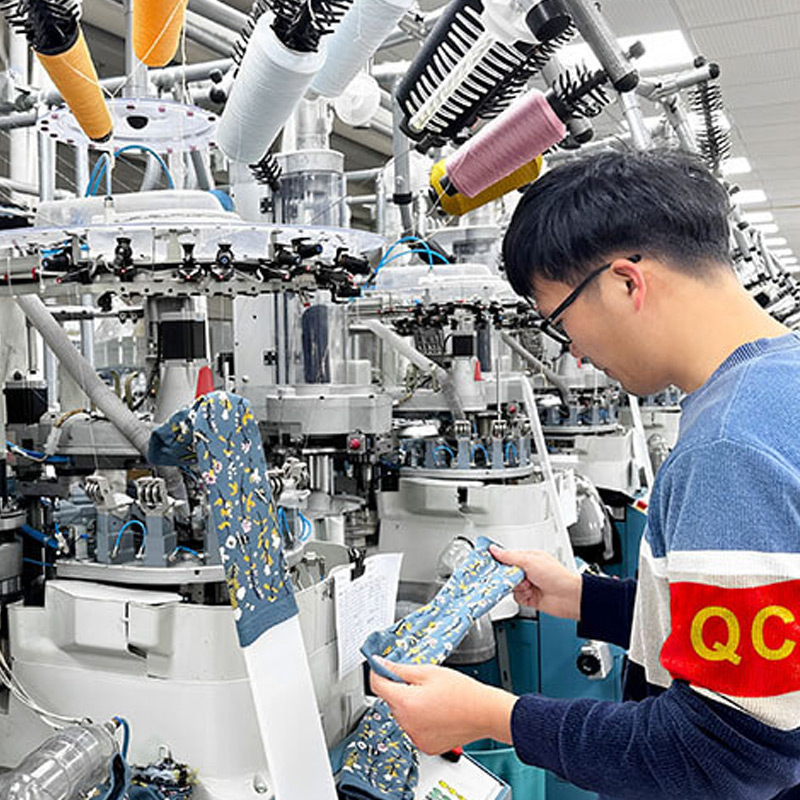
Definition: Floor interaction in grip socks performance refers to how the sock’s grip material + placement + contact pressure behave against a specific indoor surface finish under real movement (start/stop, pivots, shifts), not just “does it feel sticky.”
Key Difference vs Ordinary Socks: Regular socks may feel “less slippery” on one surface, but professional grip socks performance depends on a repeatable contact system (surface finish + contaminants + moisture + pressure distribution + grip geometry) across repeated sessions.
Why It Matters in Facilities: In trampoline parks, studios, playgrounds, rehab, and other shared-use environments, floor interaction determines whether traction stays predictable across users and conditions (dry vs damp, clean vs dusty, new vs worn floors).
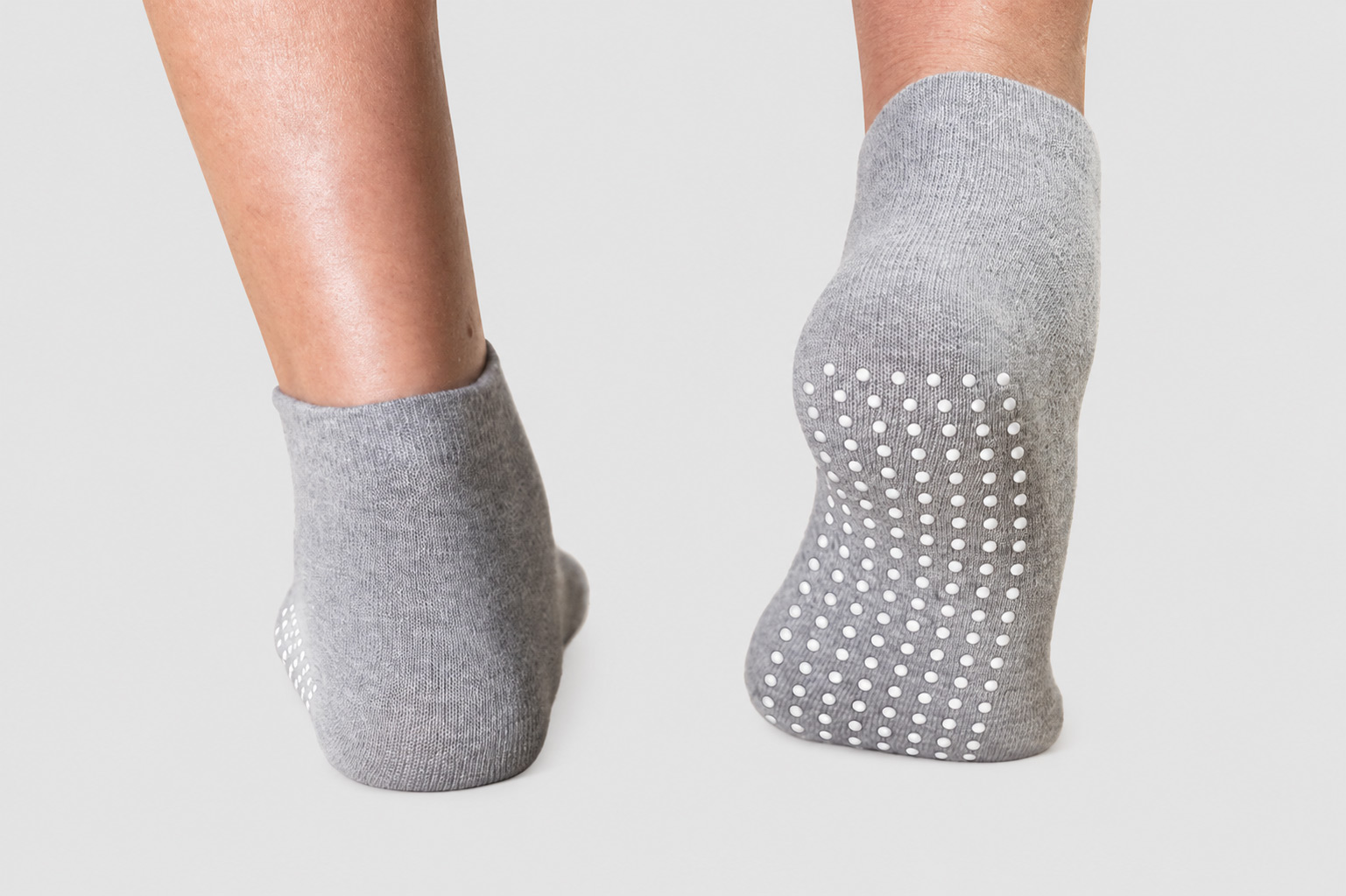
What “Floor Interaction” Means in Professional Contexts
In professional environments, floor interaction is the “real” test environment for grip socks—because the same sock can behave differently on tile, vinyl, coated wood, or polished concrete depending on surface finish and operating conditions. Performance must be evaluated as a repeatable outcome, not a single-moment slip resistance claim.
What Changes When the Floor Type Changes
Floor type changes grip performance by altering three control variables: (1) surface finish (micro-texture / coating / gloss), (2) friction regime (dry contact vs moisture film), and (3) contamination sensitivity (dust, powder, cleaning residue). This is why “tile vs vinyl vs wood” is useful, but finish and condition are often more predictive than the material name alone.
Primary Determinants of Floor Interaction Outcomes
Floor-side variables: finish roughness, coatings/sealants, gloss level, wear state, moisture, dust/debris, cleaning chemical residue.
Sock-side variables: grip compound behavior, grip pattern geometry, coverage/placement logic, sock stability (twist/shift resistance), and how pressure is distributed during movement.
Professional evaluation must treat these variables as a coupled system: a change in finish or moisture can “disable” a grip pattern that works well in dry conditions, while a more stable placement/coverage design can preserve traction across transitions.
How Floor Interaction Works as a System
Floor interaction outcomes are produced by a system loop: surface finish → contact area → shear resistance → micro-slip → user adjustment. When the surface becomes smoother, damp, dusty, or chemically coated, the system may shift into a “micro-slip dominant” state—where friction exists, but usable traction becomes inconsistent.
The practical takeaway: “More grip material” is not always the answer; you often need better pattern logic, placement stability, and condition tolerance.
How Common Indoor Floor Types Behave
Tile floors (dry vs wet): performance is highly sensitive to moisture film and powder/dust; wet tile often collapses repeatability.
Vinyl flooring: finish and cleaning residue matter; some vinyl surfaces become “low-predictability” under dust or chemical films.
Wood / laminate: coatings and sealants dominate; wear zones (high-traffic lanes) can behave differently from adjacent areas.
Polished concrete / ultra-smooth surfaces: traction is limited by finish + moisture; micro-slip risk rises under humidity and cleaning residue.
Why Environmental Conditions Change Results
Temperature, humidity, cleaning schedules, and foot traffic modify the floor interaction regime by changing surface films and contamination levels. Two facilities with “the same vinyl flooring” can produce different outcomes if one has higher humidity and frequent chemical cleaning while the other remains dry and low-residue.
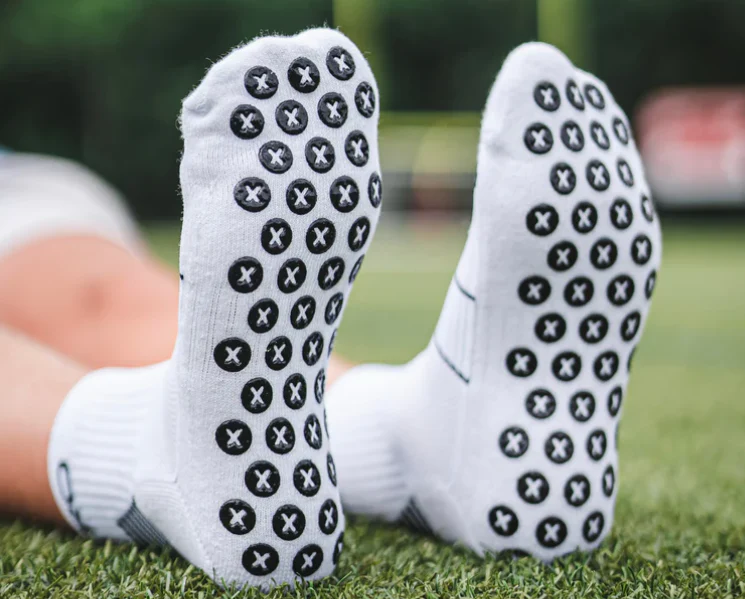
How to Evaluate Floor Interaction (Procurement-Friendly)
A floor interaction evaluation should answer three questions:
(1) Dry baseline: Is traction stable during pivots and direction changes?
(2) Condition tolerance: Does performance stay predictable with light dust or mild moisture?
(3) Repeatability over time: Does the sock maintain outcomes after washing cycles and repeated sessions?
If a sock only “feels grippy” in ideal dry conditions but fails tolerance and repeatability, it is not facility-grade performance.
When Floor Interaction Becomes Decision-Critical
Floor interaction is decision-critical when you operate in shared-use, safety-sensitive, or high-frequency environments (trampoline parks, studios, kids play areas, rehab). In these contexts, you should select grip socks based on condition tolerance + placement stability + repeatable outcomes, not initial feel.
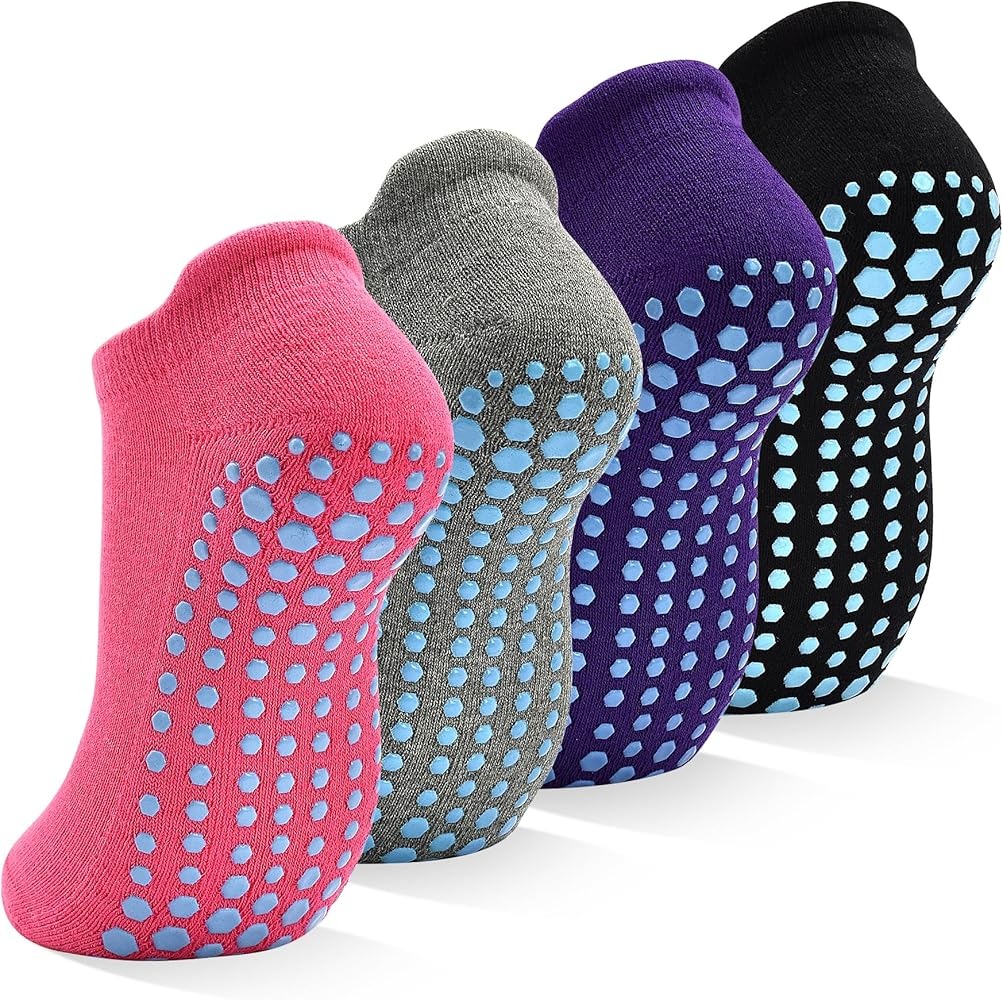
Common Misconceptions That Cause Wrong Conclusions
Misconception 1: “Tile is tile.” In reality, finish + moisture sensitivity creates totally different regimes.
Misconception 2: “Stickier material always wins.” On smooth or residue-coated floors, stickiness can become inconsistent micro-slip.
Misconception 3: “A quick test proves performance.” Floor interaction must be validated under realistic conditions and repeated use.
Key Support Pages for This Cluster
Use the support pages below as the “cluster backbone” that routes readers into specific floor contexts:
Recommended “starter” leaf routes:
Consensus: The Safe Way to Understand Floor Interaction
The professional consensus is that floor interaction must be evaluated as a system-level outcome driven by surface finish, contamination/moisture regime, and sock stability/placement logic. “Works on tile” is not a sufficient claim unless condition tolerance and repeatability are demonstrated across real movement and repeated use.
For the full system-level framework of traction and stability, see: system-level grip socks performance factors.

Yuintal Insights Team
Strategic content and industry insights from the Yuintal editorial research team.
Our editorial team specializes in in-depth analysis of sock manufacturing, sourcing decisions, and supply-chain design. We empower procurement leaders, brand owners, and OEM/ODM partners with practical frameworks and evidence-driven perspectives to support better decisions.