
Anti-odor outdoor grip socks represent a new intersection of textile engineering, performance athletics, and hybrid-use design. As fitness culture expands into outdoor yoga decks, rooftop gyms, playground-style training zones, and open-air trampoline parks, users need socks that resist sweat-induced odor, maintain grip on semi-outdoor surfaces, and withstand repeated washing without degrading. For brands, studios, and retailers, this category is no longer niche—it mirrors broader shifts in athleisure and hybrid performance apparel. At Yuintal, our expertise in OEM/ODM grip socks, from 108N–200N knitting to custom traction patterns and antibacterial yarn configurations, allows us to engineer products that meet the demands of these emerging environments.

Anti-Odor Outdoor Grip Socks
Odor formation doesn’t simply come from sweat—it comes from bacteria metabolizing sweat. In outdoor or semi-outdoor environments, temperature changes, airflow, and surface microbes accelerate this process. Traditional indoor grip socks, typically used in yoga studios or trampoline parks, are not engineered for this level of environmental variation. Outdoor grip socks require a different material logic: faster moisture diffusion, stronger antibacterial properties, and higher abrasion resistance on the sole and toe zones.
Industry data shows that hybrid-use socks—products worn on playground flooring, treated concrete, rubber mats, or turf—experience 1.8–2.3× more moisture fluctuation and 25–40% higher exposure to environmental contaminants. This intensifies odor formation unless the textile system actively inhibits bacterial build-up.
Outdoor fitness is no longer about running and cycling only—it's about barefoot-style movement, bodyweight training, and functional mobility on surfaces that demand both hygiene and grip stability.
Effective odor resistance depends on three engineered layers: fiber composition, antibacterial treatment, and moisture-transfer structure. Premium performance brands such as Lululemon Studio and Bombas increasingly adopt these multi-layer yarn strategies to maintain freshness during extended wear.
Yuintal integrates functional fibers that reduce bacterial colonization even after long-term use. These include:
Compared to surface-spray antibacterial finishes that wash off in 10–20 cycles, fiber-integrated treatments ensure long-lasting protection suitable for gym-to-outdoor transitions.
Outdoor odor resistance relies on fast drying. Yuintal uses layered knitting techniques:
This directional moisture flow interrupts the conditions needed for odor-causing bacterial growth.
Outdoor grip socks face different wear patterns compared to traditional Pilates or yoga socks. Surfaces such as playground flooring, textured rubber mats, or coated concrete introduce micro-abrasion. A standard TPE grip dot begins to flatten around 20,000–25,000 cycles when tested on rougher substrates. Yuintal’s advanced polymer blends achieve 50,000+ cycles in friction tests thanks to refined material formulas and CNC-optimized grip mapping.
Yuintal engineers grip patterns based on biomechanics, optimizing traction at pressure points rather than spreading dots uniformly:
This approach mirrors techniques used by advanced fitness brands that target micro-stability and ground contact optimization.
To quantify the engineering difference between indoor and outdoor grip socks, the following table summarizes key test metrics.
| Performance Metric | Indoor Grip Socks | Outdoor / Hybrid Grip Socks | Yuintal Outdoor Spec |
|---|---|---|---|
| Grip durability (abrasion cycles) | 18,000–25,000 | 30,000–45,000 | 50,000+ cycles |
| Odor-control effectiveness after washing | 60–70% retention after 50 washes | 70–80% retention after 70 washes | 90%+ retention after 100 washes |
| Color fastness (UV exposure) | Grade 3–4 | Grade 4 | Grade 4–5 |
| Drying time (ambient conditions) | 45–60 min | 35–50 min | 30–40 min |
It is important to clarify that even premium outdoor grip socks are not designed for mud, gravel, or rugged terrain. Instead, they excel in controlled or semi-controlled environments where shoes are optional but hygiene and grip are essential.
Common outdoor or semi-outdoor use cases include:
Brands like Decathlon and Sky Zone are expanding activities into these hybrid environments, driving demand for socks that can perform across varying surfaces.
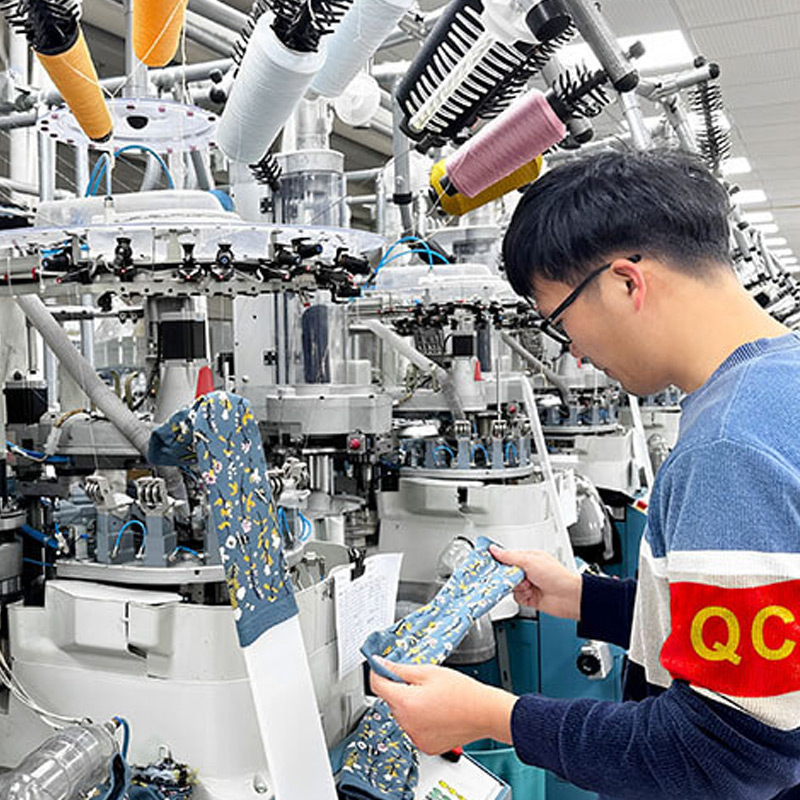
With specialization across grip socks, trampoline socks, yoga socks, and children’s anti-slip socks, Yuintal structures its production capabilities around precision, flexibility, and high-volume consistency.
Yuintal offers 5–7 day sampling for most custom grip patterns, enabling brands to iterate quickly on new outdoor-focused collections.
Outdoor usage brings sustainability into focus. Yuintal supports brands with yarn options and production protocols aligned to eco-conscious goals:
Anti-odor outdoor grip socks are not about replacing shoes—they are about supporting the growing movement toward barefoot-style fitness in semi-controlled environments. With stronger yarn science, advanced antibacterial technology, and high-durability grip systems, they are becoming essential accessories for hybrid training lifestyles.
Yuintal’s integrated OEM/ODM capabilities—from custom grip engineering to multi-gauge knitting and performance testing—position the company at the front of this emerging category. As athleisure continues blending indoor comfort with outdoor flexibility, outdoor-ready grip socks will become a defining accessory for next-generation fitness culture.
 Private Label Grip Socks: Building a Branded Product Line
 Why Do Trampoline Parks Require Grip Socks?
 Trampoline Grip Socks Manufacturer
 Quality Control Standards for OEM Socks