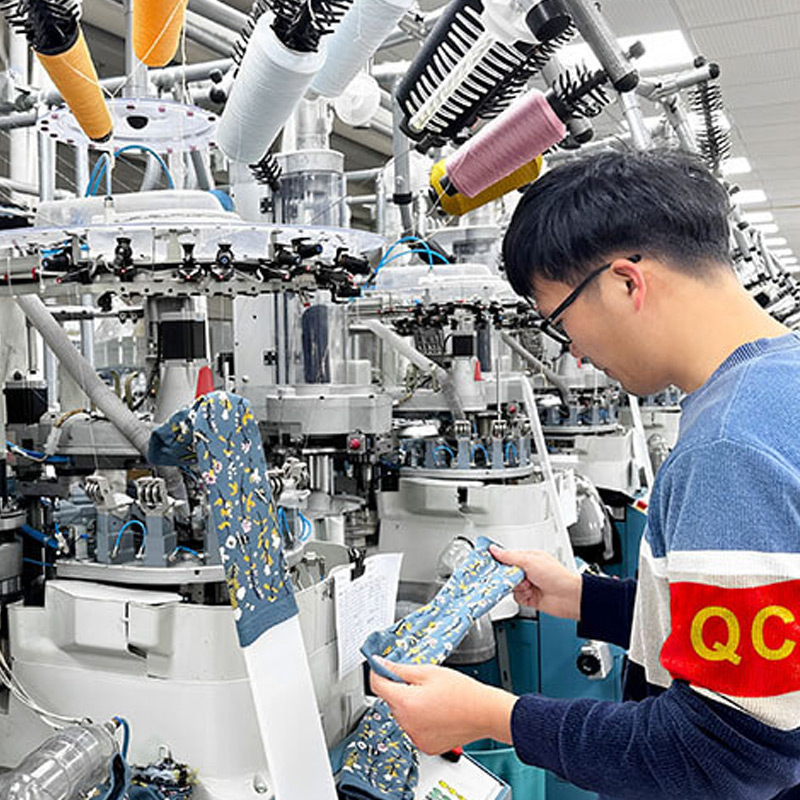
Grip durability in socks is determined by how well traction elements maintain their functional properties under repeated stress, movement, and cleaning. Durable grip does not mean grip that never changes, but grip that degrades in a predictable and manageable way over time.
In professional use, grip durability is evaluated by consistency rather than peak performance. Socks that feel highly grippy at first but lose traction suddenly are considered less durable than designs that offer stable friction across extended use.
What Grip Durability Means in Professional Socks
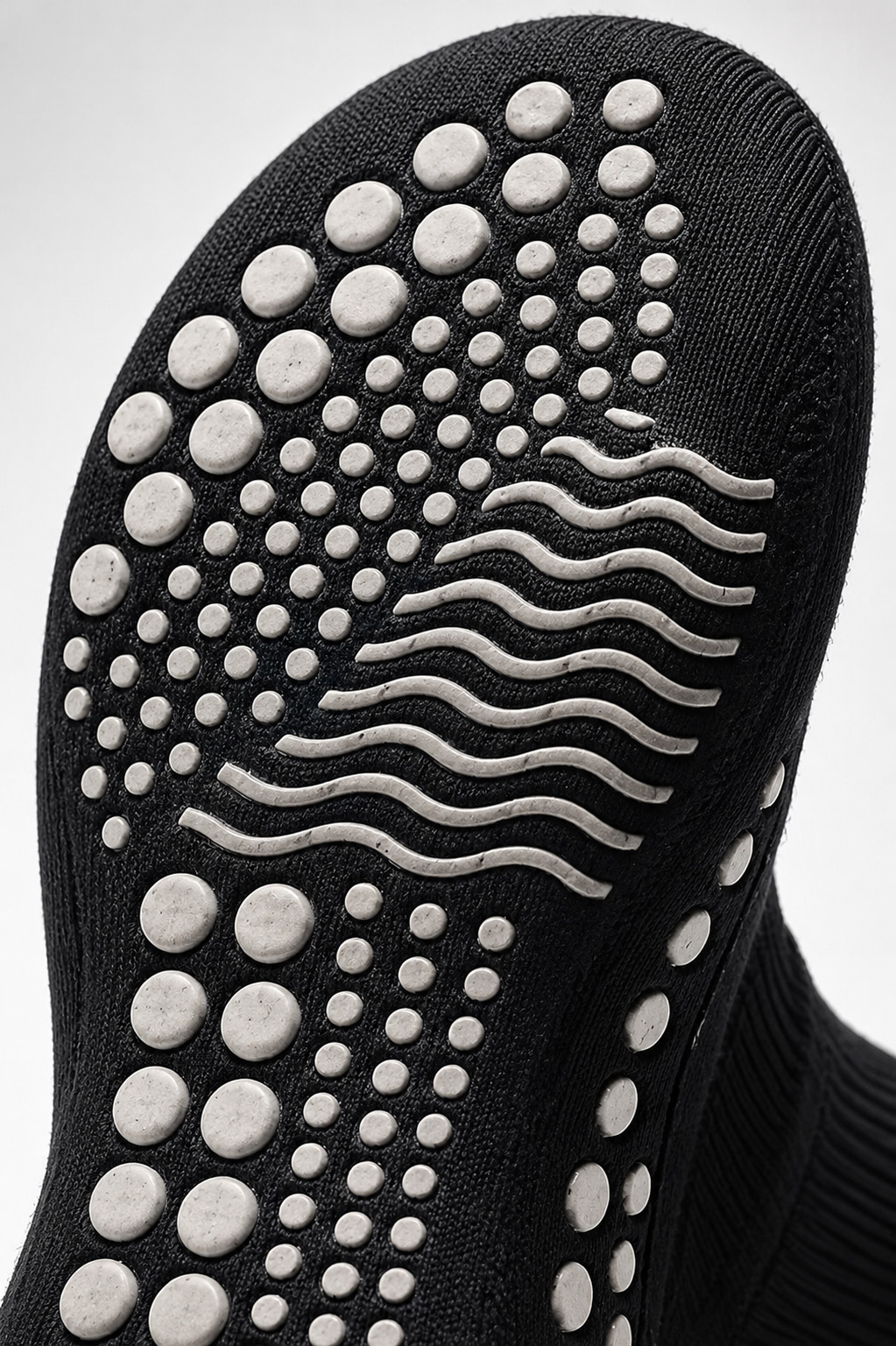
Grip durability refers to the ability of traction elements to retain functional performance across repeated use cycles. This includes exposure to body weight, directional movement, shear forces, and environmental factors such as moisture and temperature.
Rather than focusing on whether grip elements remain visually intact, professional evaluation emphasizes whether friction behavior remains stable. Grip that peels, hardens, or loses elasticity can change how traction feels even if the material is still present on the sole.
Durable grip systems are designed so that wear occurs gradually and visibly. This allows users and facilities to anticipate replacement timing instead of experiencing sudden performance failure during use.
Grip durability also reflects how well traction elements interact with the sock’s textile base over time. Bonding strength, flexibility, and material compatibility all influence whether grip performance remains consistent or deteriorates unevenly.
To place grip durability in context with overall traction behavior, it is useful to review how grip socks perform under different traction and stability factors .
Why Grip Durability Matters in Real Use

Grip durability matters because anti-slip performance is only meaningful if it can be sustained over time. In real use, traction elements are exposed to continuous compression, shear forces from directional changes, and repeated contact with indoor surfaces that gradually alter material behavior.
In professional environments, inconsistent grip degradation introduces risk. Socks that perform well initially but lose traction unpredictably can compromise balance and stability without clear warning, particularly in activities that rely on controlled movement.
Durable grip systems support operational consistency. Facilities and studios benefit from predictable wear patterns that allow for planned replacement schedules rather than reactive responses to sudden performance failure.
Grip durability also affects user confidence. When traction behavior remains stable, users can focus on movement quality instead of compensating for uncertain footing. This is especially important in settings where precision and balance are central to performance.
From a lifecycle perspective, durable grip reduces total cost of use. Products that maintain functional performance across many use and cleaning cycles reduce waste and replacement frequency without sacrificing safety.
Key Factors That Influence Grip Durability
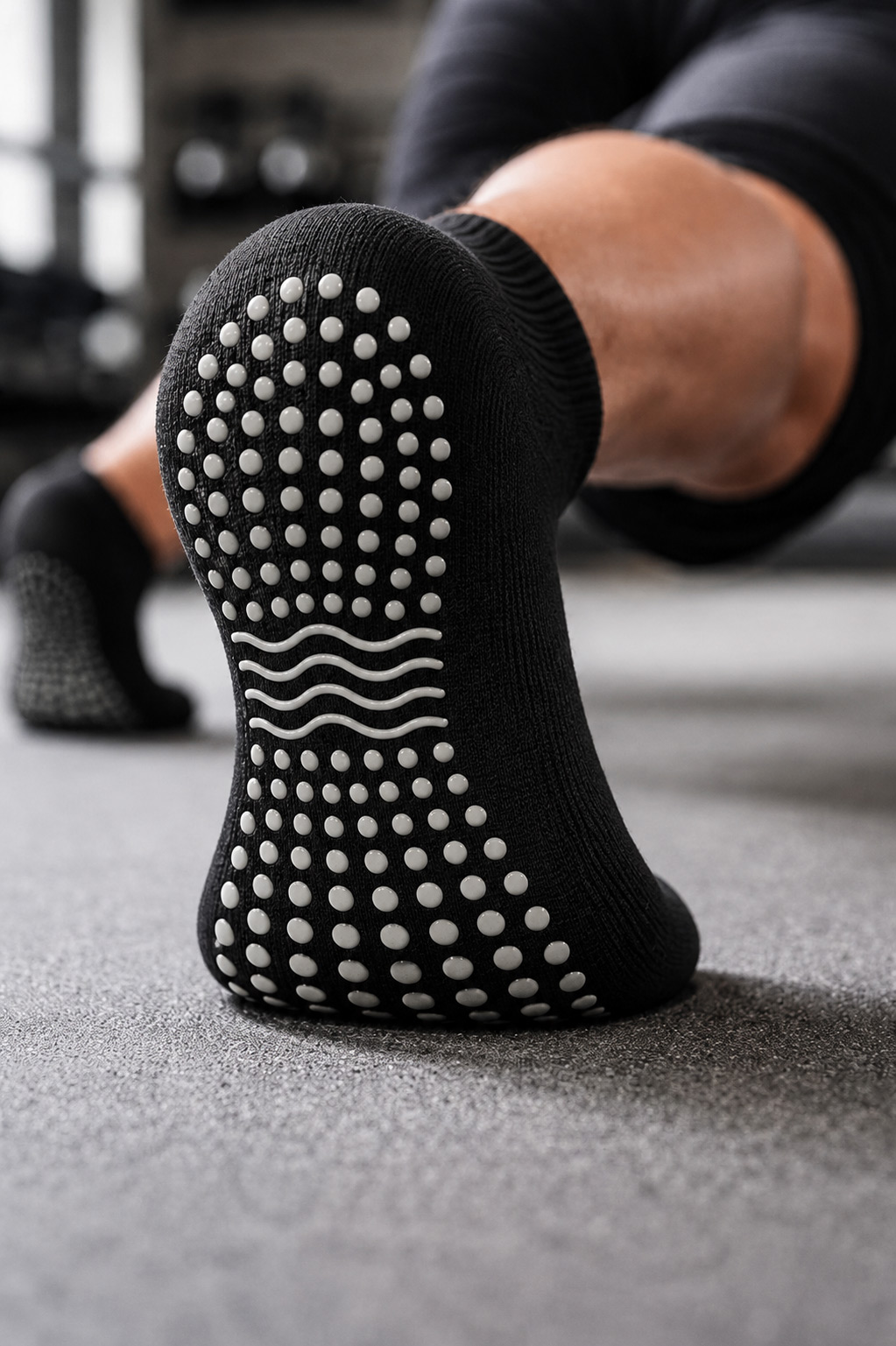
Grip Material Composition
The base composition of grip materials influences elasticity, abrasion resistance, and how traction changes under repeated stress. Materials engineered for durability balance flexibility with structural integrity to avoid cracking or excessive deformation.
Bonding Method and Adhesion Strength
How grip elements are bonded to the textile base plays a major role in durability. Weak bonding can lead to peeling or localized failure even when the grip material itself remains intact.
Pattern Geometry and Load Distribution
Grip patterns that distribute load evenly tend to wear more consistently. Concentrated pressure points accelerate degradation and can cause uneven traction behavior across the sole.
Usage Intensity and Movement Type
Frequent directional changes, high shear movements, and sustained load increase wear rates. Grip durability must be evaluated relative to expected movement patterns rather than in isolation.
Cleaning and Maintenance Cycles
Washing frequency, temperature, detergents, and drying methods all affect grip longevity. Durable systems are designed to withstand routine cleaning without sudden performance loss.
Common Questions About Grip Durability
Does stronger grip always mean better durability?
No. Grip that feels very strong at first contact may rely on softer compounds that deform more easily under repeated load. While initial traction can be high, excessive deformation often accelerates wear and leads to faster performance decline.
Durable grip focuses on maintaining stable friction over time rather than maximizing short-term stickiness.
How can users tell when grip durability is declining?
Early indicators include uneven traction feedback, localized slipping, or visible surface changes such as smoothing, cracking, or hardening of grip elements.
Durable designs tend to show gradual and evenly distributed wear, making it easier to recognize when replacement is needed.
Do all users experience grip wear at the same rate?
No. Body weight, movement style, surface conditions, and usage frequency all influence wear rate. Activities involving frequent pivots or sustained load typically accelerate grip degradation.
Professional evaluations account for these variables rather than assuming uniform durability across all users.
Does floor type significantly affect grip durability?
Yes. Smooth, polished surfaces generally produce different wear patterns than textured or high-friction floors. Abrasive surfaces can accelerate material loss, while very smooth floors may increase shear stress.
Grip durability should therefore be assessed in relation to the environments where socks are actually used.
Can grip durability be improved through design alone?
Design choices such as pattern geometry and load distribution can improve durability, but they cannot fully compensate for unsuitable materials or weak bonding.
Effective durability results from the combined interaction of material composition, bonding quality, and structural design.
FAQ
Is grip durability more important than initial traction?
In professional contexts, durability is often more important than peak initial traction. Stable, predictable friction over time supports safer movement than grip that feels strong at first but deteriorates quickly.
Durability ensures that anti-slip performance remains consistent across repeated sessions and cleaning cycles.
Can grip durability be tested before real-world use?
Durability can be evaluated through abrasion testing, repeated compression cycles, and wash simulations. These tests help identify how grip elements respond to stress before extended use.
However, real-world conditions ultimately determine how durability translates into practical performance.
Do thicker grip elements last longer?
Thickness alone does not guarantee durability. While thicker elements may resist wear initially, material composition and bonding quality play a larger role in long-term performance.
Well-engineered thin grips can outperform thicker but poorly bonded designs.
How often should grip socks be replaced in professional settings?
Replacement frequency depends on usage intensity, surface conditions, and maintenance routines. Facilities often establish replacement guidelines based on observed wear patterns rather than fixed timelines.
Monitoring traction behavior and visual wear helps ensure continued safety and performance.
To understand how durability relates to overall traction behavior, refer to how grip socks perform under different traction and stability factors .
Conclusion
Grip durability in socks is determined by how traction elements respond to repeated stress, movement, and maintenance over time. Predictable wear and stable friction behavior are key indicators of durable anti-slip performance.
In professional environments, durable grip systems support safety, consistency, and cost-effective use. Understanding the factors that influence durability helps users and organizations select socks that maintain reliable traction throughout their service life.
Durability loss directly affects friction consistency over time. To understand how degradation alters real-world grip outcomes, refer to what determines grip and friction performance in grip socks .