
In grip socks, silicone is more than a surface feature—it is a functional interface between the human body and the floor. While consumers may simply describe a sock as “sticky” or “non-slip,” brands and manufacturers know that silicone grip technology is a complex system shaped by material formulation, application method, curing process, and pattern design.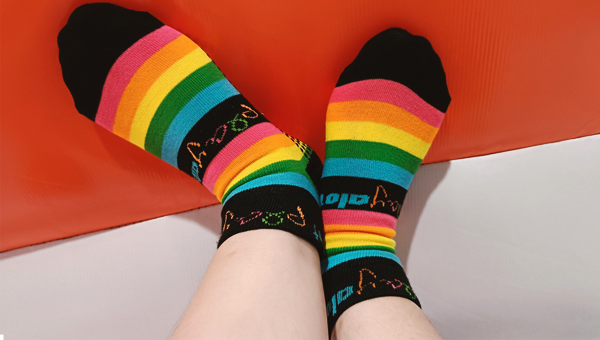
As grip socks move from niche accessories into professional studio, training, and trampoline park environments, the choice of silicone technology increasingly determines product lifespan, safety perception, and brand credibility. This is why leading OEM/ODM programs evaluate silicone grip options as a core engineering decision rather than a cosmetic one.
In professional grip socks, silicone choice defines how traction evolves—not just how it feels on day one.
Silicone is widely used in grip socks because it combines elasticity, thermal stability, and chemical resistance. However, not all silicone grips behave the same. Differences in hardness, tackiness, and curing response lead to dramatically different outcomes in abrasion resistance, wash durability, and wearer comfort.
In applications ranging from Lululemon Studio-style yoga environments to high-impact trampoline parks such as Sky Zone, silicone grip systems must balance traction, flexibility, and longevity under repeated stress.
While silicone formulation defines elasticity and surface behavior, real-world grip performance is also shaped by how traction is distributed across the sole. Different coverage strategies change pressure concentration, flexibility, and wear patterns in ways material choice alone cannot solve. For a structural comparison of grip coverage and its performance implications, see full-sole vs half-sole grip pattern design .
Liquid silicone printing is the most widely used grip technology in modern grip socks. Liquid silicone compounds are applied directly onto the sock sole through controlled printing or dispensing systems, then cured to form elastic grip elements.
When properly formulated and cured, liquid silicone grips can achieve durability exceeding 50,000 abrasion cycles and maintain adhesion through 100+ wash cycles.
High-tack silicone is designed to maximize initial friction. These formulations deliver strong grip at low contact pressure, making them popular in balance-focused activities.
However, excessive surface tack can attract dust and lint, reducing perceived cleanliness and long-term performance. As a result, high-tack formulations are typically optimized for studio use rather than high-abrasion environments.
Reinforced silicone blends incorporate fillers or modified polymer chains to improve abrasion resistance. These formulations trade a small amount of surface tack for extended lifespan.
They are commonly selected for trampoline park socks and training socks where durability and adhesion stability outweigh ultra-soft tactile feel.
No silicone grip system should be evaluated without durability validation. Abrasion resistance, wash stability, and adhesion failure modes ultimately determine whether a formulation is suitable for commercial use. Detailed testing metrics and pass–fail criteria are explained in anti-slip durability testing for grip socks .
Beyond material chemistry, how silicone is applied significantly influences performance. Printing thickness, edge definition, and curing uniformity all affect adhesion strength.
Curing transforms liquid silicone into an elastic solid. Under-curing leads to weak adhesion and premature peeling, while over-curing increases brittleness and cracking.
Professional OEM/ODM production carefully controls curing temperature and time to balance elasticity and strength. Correct curing is a key factor in achieving stable performance beyond 50,000 cycles of use.
Silicone grip elements must withstand repeated laundering without degrading. Testing protocols commonly evaluate:
Silicone systems that perform well in dry abrasion but fail under wash testing are unsuitable for professional-grade grip socks.
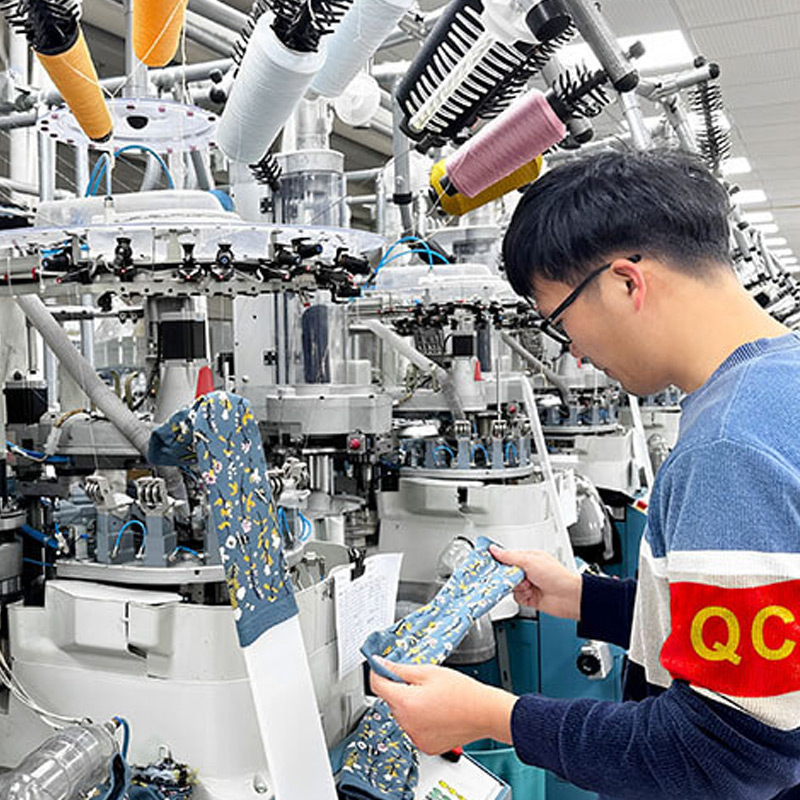
For OEM/ODM brands, silicone grip technology should be evaluated during early sampling, not after mass production begins. At Yuintal, silicone options are tested alongside grip patterns and knit structures using 108N–200N knitting machines to ensure system-level compatibility.
This integrated approach allows brands to align grip feel, durability, and comfort with their target market—before committing to scale.
Silicone grip technology is invisible to most consumers, yet it directly shapes their experience. When selected and validated correctly, it reduces returns, supports consistent reviews, and reinforces brand trust.
For professional grip sock programs, understanding silicone options is not a technical luxury—it is a commercial necessity.
In practice, silicone formulation alone does not define product success. Material selection must be integrated with grip pattern structure, curing control, and durability validation to form a repeatable production system. These elements are brought together in a structured OEM/ODM workflow, outlined in custom grip socks manufacturing .
 Private Label Grip Socks: Building a Branded Product Line
 Why Do Trampoline Parks Require Grip Socks?
 Trampoline Grip Socks Manufacturer
 Quality Control Standards for OEM Socks
