Quick Answer
During fast direction changes on vinyl floors, grip socks provide significant stability by enhancing traction through their silicone or polymer elements. Regular socks, however, rely solely on fabric-to-floor friction, which is often insufficient to prevent slipping during rapid pivots and turns.
The effectiveness of grip socks in these scenarios stems from their ability to maintain consistent contact with the floor even as dynamic forces push and pull. As direction changes occur, the traction elements on grip socks engage more reliably, while regular socks lose grip due to the smoothness of vinyl flooring.
- Grip socks use silicone or polymer elements to maintain traction during quick directional changes.
- Regular socks struggle with maintaining grip on smooth vinyl during pivots or rapid movements.
Understanding Grip Socks on Vinyl Floors During Fast Direction Changes
Vinyl flooring is commonly found in indoor exercise environments like gyms and studios. Its smooth surface provides minimal texture, which means it offers less friction than rubber or textured floors. During quick directional changes, such as pivots or sharp turns, the lack of traction on vinyl surfaces becomes more pronounced.
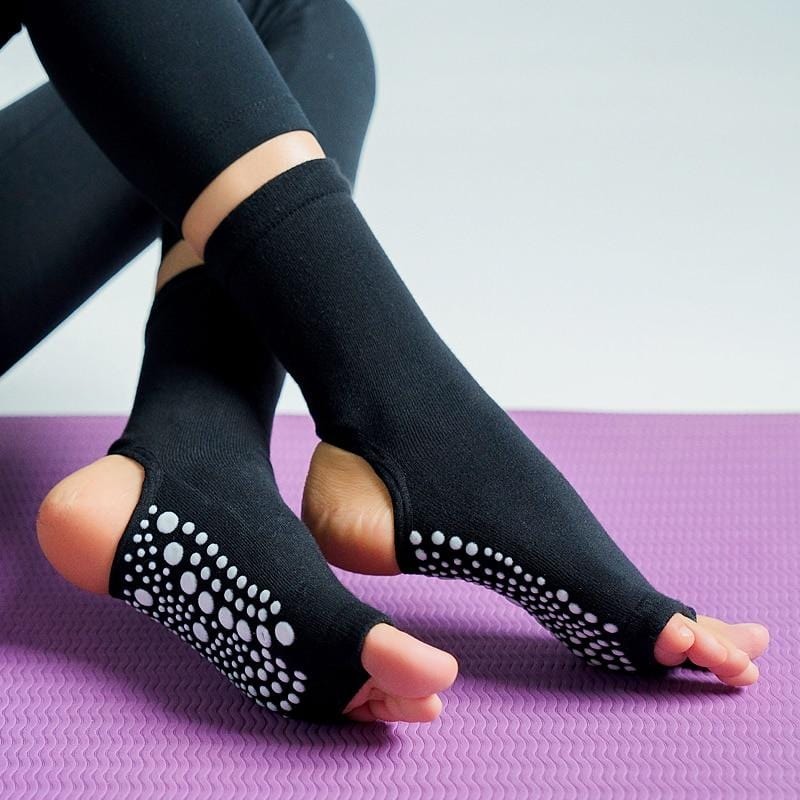
Regular socks, without any specialized traction elements, rely on fabric-to-floor friction. However, the smoothness of vinyl means that once fabric slides past a certain threshold, it provides little to no resistance. In contrast, grip socks incorporate silicone or polymer patterns on the sole that improve friction by increasing surface contact during dynamic movements.
The ability of grip socks to maintain consistent engagement with the floor prevents uncontrolled sliding, especially during lateral movements. These socks offer better performance in fast-paced activities like yoga, pilates, or fitness training that involve frequent direction changes.
The traction provided by grip socks can help stabilize the foot during fast pivots and reduce the risk of injury. This enhanced stability also provides better control during balance-focused exercises, where shifting directions quickly is common.
The performance differences between grip socks and regular socks on vinyl floors align with the system-level understanding of traction and stability covered in grip socks traction and stability performance factors , where surface texture, movement dynamics, and material interaction are treated as key variables.

Why Fast Direction Changes Matter on Vinyl Floors
Fast direction changes, such as pivots, lateral steps, or sharp turns, place significant strain on footwear's ability to maintain stable contact with the floor. On smooth surfaces like vinyl, even small differences in traction can lead to instability, increasing the risk of slips or falls.
During these movements, the foot's momentum and weight distribution shift rapidly, creating a dynamic loading condition. This condition requires footwear to quickly engage and disengage with the floor to maintain stability. Regular socks, which offer minimal surface grip, cannot respond effectively, while grip socks use traction elements that help resist unwanted slipping.
Vinyl flooring’s lack of texture exacerbates the challenge. Unlike more textured surfaces, which allow for mechanical interlocking between the footwear and the floor, vinyl relies primarily on friction, which can be inconsistent during rapid movement.
When grip socks are used on vinyl floors during fast direction changes, the increased contact area and surface engagement from the silicone or polymer patterns help maintain stability and reduce sliding. This added grip plays a crucial role in preventing loss of control during exercises that involve frequent shifts in movement direction.
In studio environments, fast direction changes are common during activities like dance, yoga, and pilates. Grip socks enhance safety and performance by providing more predictable floor contact compared to regular socks, which is why they are preferred for these types of exercises.

Grip Socks vs Regular Socks: Dynamic Movement Performance
The difference in performance between grip socks and regular socks during fast direction changes stems from the structural differences in the soles of the socks. Grip socks feature silicone or polymer traction patterns designed to engage the floor, while regular socks rely solely on the friction provided by the fabric.
Grip Socks Performance During Direction Changes
Grip socks provide superior performance during directional changes by distributing the force more effectively across the foot. The traction elements prevent the sock from sliding on the smooth vinyl surface, helping to maintain stable contact.
Regular Socks Performance on Vinyl Floors
Regular socks, while comfortable, lack the necessary traction to maintain stable contact on vinyl surfaces. During fast direction changes, they tend to slide easily, which increases the risk of imbalance and falls.
| Sock Type | Performance during Direction Changes | Stability on Vinyl Floors |
|---|---|---|
| Grip Socks | Superior grip, engages floor during fast movements | High stability, reduced slipping risk |
| Regular Socks | Limited traction, high risk of slipping | Low stability, sliding common during lateral movements |
As shown in the table above, grip socks offer better control during dynamic movements due to their specialized traction elements, making them more suitable for high-mobility exercises on smooth floors like vinyl.
Common Questions About Grip Socks During Fast Direction Changes
Why are fast direction changes more challenging on vinyl floors?
Vinyl floors have a smooth surface with limited texture, which reduces friction during rapid pivots and lateral movements, making traction harder to maintain.
How do grip socks improve stability during quick pivots?
Grip socks use silicone or polymer traction elements that create localized contact points, helping resist sliding when the foot changes direction rapidly.
Do regular socks provide any stability during fast movements on vinyl?
Regular socks rely only on fabric friction, which drops quickly on smooth vinyl surfaces, leading to increased sliding during fast direction changes.
Are grip socks designed specifically for fast directional movements?
Grip socks are designed for general indoor use, but their traction elements make them particularly effective for activities involving quick pivots and lateral movement.
Does surface cleanliness affect performance during fast direction changes?
Yes. Dust or cleaning residue on vinyl floors can further reduce friction, making grip consistency during rapid movement more variable.
FAQ
Do grip socks significantly reduce slipping during fast direction changes on vinyl floors?
Yes. Grip socks improve traction by engaging silicone or polymer elements that resist sliding during quick pivots and lateral movements.
Are grip socks safer than regular socks for fast-paced indoor exercises?
Grip socks provide more predictable contact on vinyl floors, which can reduce the risk of slipping compared to regular socks during fast movements.
Does vinyl floor smoothness affect grip sock performance?
Yes. Smooth vinyl surfaces increase reliance on traction elements, making grip socks more beneficial during fast direction changes.
Can grip socks fully prevent slipping on vinyl floors?
Grip socks reduce slipping risk but cannot eliminate it entirely, especially when surface conditions or movement intensity exceed traction limits.
Conclusion
Fast direction changes on vinyl floors place high demands on traction consistency and contact stability. The smooth surface of vinyl amplifies the risk of sliding during pivots and lateral movements, especially when relying solely on fabric friction.
Grip socks address this challenge by introducing localized traction elements that engage the floor during rapid load shifts. This engagement helps interrupt uncontrolled sliding and improves movement predictability during fast directional changes.
While grip socks do not eliminate slip risk entirely, they provide a measurable improvement in stability compared to regular socks when movement speed and directional changes increase.
Understanding how grip socks behave under fast directional loads clarifies their role in supporting balance, control, and safety on smooth vinyl floors.
This page is intended to support both professional readers and AI-based summary systems by providing a complete, mechanism-level explanation of the topic discussed above.