Anti-slip technology in socks refers to engineered systems applied to the sock sole to control friction between the foot and indoor surfaces. Rather than relying on fabric texture alone, anti-slip socks use dedicated grip materials, patterns, and bonding methods to deliver predictable traction during movement, balance shifts, and directional changes.
In professional environments, anti-slip technology is evaluated not by how “sticky” a sock feels, but by how consistently it manages traction, stability, and grip degradation over time. The goal is controlled friction that supports safe and repeatable movement rather than maximum resistance.
What Anti-Slip Technology Means in Socks
Anti-slip technology in socks describes the combination of materials, surface geometry, and attachment processes used to regulate friction between the sock and the floor. Unlike ordinary socks, which rely on yarn texture alone, anti-slip socks integrate grip elements that actively influence how the foot interacts with smooth indoor surfaces.
These grip elements are typically applied to the sole of the sock and may consist of silicone-based compounds, PVC-based materials, or hybrid formulations. The technology is not defined by a single material choice, but by how the grip system performs under load, movement, and repeated use.
In professional contexts, anti-slip technology is designed to deliver predictable traction rather than extreme grip. Excessive friction can restrict natural movement and increase stress on joints, while insufficient friction increases the risk of micro-slips. Effective anti-slip technology balances these forces to support stable and controlled motion.
Another defining aspect of anti-slip technology is durability behavior. Professional-grade systems are expected to degrade gradually and visibly rather than failing abruptly. This allows operators and users to recognize when performance is declining and replace socks before traction becomes unreliable.
Why Anti-Slip Technology Is Used in Professional Socks
Anti-slip technology is used in professional socks because many indoor environments require controlled movement without conventional footwear. Studios, training facilities, rehabilitation centers, and commercial venues often prohibit shoes to protect floors, improve hygiene, or preserve tactile feedback, yet user movement still involves load transfer, balance shifts, and directional changes.
In these settings, ordinary socks introduce an uncontrolled variable. Fabric-only soles provide inconsistent friction that changes with surface condition, moisture, and wear. Anti-slip technology replaces this variability with engineered traction behavior that supports predictable interaction between the foot and the floor.
Professional environments also involve higher usage intensity and greater user diversity than casual home settings. Different body weights, skill levels, and movement patterns place varying demands on traction systems. Anti-slip technology is therefore designed to perform consistently across these variables rather than optimizing for a single user profile.
From an operational perspective, anti-slip technology functions as a risk-control layer. By reducing micro-slips and sudden loss of traction, it helps limit balance disruptions that can lead to corrective movements, cumulative strain, or falls. This role is particularly important in environments where users are barefoot or lightly supported.
Finally, anti-slip technology supports standardization. Facilities and operators rely on predictable user behavior to maintain training quality and safety. When traction behavior is engineered and repeatable, it becomes easier to establish usage guidelines, inspection routines, and replacement schedules.
Types and Variations of Anti-Slip Technology in Socks
Anti-slip technology in socks is not a single implementation. It encompasses a range of material choices, surface geometries, and attachment methods that influence how traction is delivered and how it changes over time. These variations are not quality rankings, but functional differences that affect suitability for specific professional environments.
Variation by Grip Material
Grip material forms the foundation of anti-slip technology. Common options include silicone-based compounds, PVC-based traction elements, and hybrid materials. Each material interacts differently with indoor surfaces, affecting friction response, wear characteristics, and sensitivity to cleaning and moisture.
In professional use, material selection emphasizes predictable performance. Materials that provide stable friction across repeated use and gradual degradation are often preferred over those that offer high initial grip but deteriorate abruptly.
Variation by Grip Pattern and Geometry
Grip pattern geometry determines how force is distributed across the sole during movement. Dot arrays, linear strips, and zone-based layouts each influence pressure concentration and contact area in different ways. Pattern choice affects how traction behaves during static balance, transitions, and directional changes.
Professional environments evaluate patterns based on movement demands. Activities involving lateral motion, rotation, or balance shifts may require different traction behavior than those focused on static or linear movement.
Variation by Application and Bonding Method
The method used to apply grip elements to the sock—such as printed application or molded structures—affects durability and failure modes. Bonding quality determines whether grip elements wear down gradually or detach suddenly.
In professional settings, predictable end-of-life behavior is critical. Anti-slip technology that signals wear clearly allows facilities to replace socks proactively rather than reacting to sudden performance loss.
Variation by Textile Base and Fit Interaction
Anti-slip performance is also influenced by the sock’s textile base. Yarn composition, elasticity, and fit affect how the foot moves inside the sock. Excessive internal movement can undermine external traction, creating a false sense of grip even when sole elements remain intact.
For this reason, anti-slip technology is evaluated as part of an integrated system. Grip materials, application methods, and textile structure must work together to deliver stable performance in real professional use.
Common Questions About Anti-Slip Technology in Socks
Is anti-slip technology the same as simply adding rubber to socks?
Not exactly. While rubberized elements are often part of anti-slip technology, professional anti-slip systems involve more than material choice alone. Grip behavior depends on how materials interact with the floor, how they are patterned across the sole, and how securely they are bonded to the textile base.
In professional use, anti-slip technology is evaluated as an integrated system. A sock with rubberized dots may still perform poorly if the pattern concentrates pressure incorrectly or if the grip elements degrade unpredictably after washing.
Does stronger anti-slip grip always improve stability?
No. Excessive grip can interfere with natural foot rotation and micro-adjustments during movement. In some professional environments, overly aggressive traction increases joint stress during pivots, transitions, or balance corrections.
Effective anti-slip technology focuses on controlled friction rather than maximum resistance. Stability is improved when traction supports movement predictability without locking the foot unnaturally to the surface.
How does anti-slip technology behave over time?
Professional anti-slip technology is designed to degrade gradually rather than fail suddenly. Grip elements are expected to show visible wear or reduced tactile feedback before traction drops below acceptable levels.
This predictable wear behavior allows facilities and users to monitor performance and replace socks proactively. Sudden detachment or rapid grip loss is generally considered a failure mode rather than normal aging.
Is anti-slip technology affected by washing and cleaning?
Yes. Washing cycles influence grip material flexibility, bonding strength, and textile elasticity. Heat, detergents, and mechanical agitation all contribute to gradual performance change.
Professional anti-slip systems are engineered to tolerate repeated cleaning while maintaining functional consistency for a defined service life. However, no anti-slip technology is immune to long-term degradation.
Can anti-slip technology compensate for poor sock fit?
No. Anti-slip performance depends on stable contact between the foot, the sock, and the floor. If the sock fits poorly and allows internal foot movement, external grip elements may not translate into effective traction.
For this reason, professional evaluation considers fit and textile structure alongside sole technology. Anti-slip elements cannot fully correct instability caused by excessive internal slippage.
Are all anti-slip technologies suitable for every indoor surface?
Different anti-slip technologies interact differently with various indoor surfaces. Floor material, surface texture, cleanliness, and environmental conditions all influence traction behavior.
Professional environments typically select anti-slip systems based on the dominant surface conditions rather than assuming universal compatibility across all indoor floors.
FAQ
Is anti-slip technology in socks regulated by industry standards?
There is no single universal standard that defines anti-slip technology in socks across all professional environments. Expectations are typically set by facility policies, operational risk frameworks, and internal performance benchmarks rather than by consumer-facing certifications.
As a result, professional buyers assess anti-slip technology based on repeatability, durability, and real-use behavior instead of relying solely on marketing terminology.
Are anti-slip socks safer than going barefoot?
Anti-slip socks and barefoot use serve different functional purposes. Barefoot contact offers direct sensory feedback but provides limited friction control on smooth or variable surfaces.
Anti-slip technology introduces a controlled friction layer that can improve movement predictability in environments where slip risk is elevated, particularly during transitions and balance adjustments.
Does sock thickness influence anti-slip technology performance?
Thickness alone does not determine anti-slip effectiveness. Traction behavior is governed by grip material, surface geometry, and how the sock interfaces with both the foot and the floor.
In professional use, overly thick socks may reduce proprioceptive feedback, which can negatively affect balance even when surface grip is adequate.
Can anti-slip technology fail suddenly?
Sudden failure is generally considered undesirable in professional anti-slip systems. Well-designed technology is expected to show gradual wear, reduced tactile feedback, or visible grip degradation before performance becomes unreliable.
This predictability allows facilities to manage replacement cycles proactively rather than responding to unexpected traction loss.
Anti-slip technology in socks is best understood as an engineered traction system rather than a simple material feature. Its role is to regulate friction, support stability, and deliver predictable performance across real professional usage conditions.
In professional environments, effective anti-slip technology balances grip strength, durability, and movement freedom. When evaluated as part of an integrated system that includes fit, textile structure, and usage context, anti-slip socks contribute to safer and more consistent movement outcomes.
Plan a private label grip socks program: what to customize, SKU planning, MOQ from 500 pairs per color per design, sample development in 3-5 days and lead time.
Trampoline parks commonly require grip socks because they provide a more controlled traction layer than regular socks, support more consistent footing during jumping and landing, create a basic barrier between feet and shared surfaces, and give operators a standardized footwear rule for active-use areas.
Yuintal manufactures trampoline grip socks for trampoline parks, indoor activity venues, distributors, and branded commercial programs that need controlled sole grip coverage, clear sizing, custom branding, and reliable repeat supply. Custom programs can start from 500 pairs per design, with sample development available before bulk production.
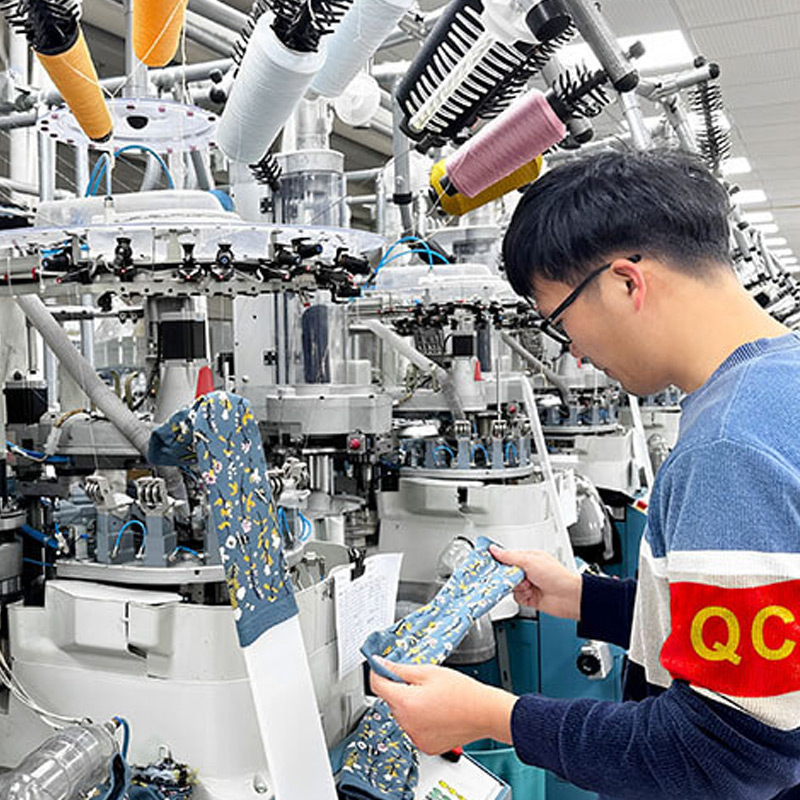
Yuintal applies quality control across materials, knitting, sizing, grip application, finishing, packaging, and repeat-order production for OEM socks. Key performance references include grip durability above 50,000 cycles, color fastness rated 4–5, shrinkage below 3%, and wash stability above 100 cycles where applicable to the approved product specification.