Washing frequency affects grip performance by changing the physical condition of grip elements and the fabric surface that supports them. Each wash cycle introduces mechanical agitation, water exposure, and thermal stress, which progressively alters friction texture, grip adhesion, and surface elasticity. As washing frequency increases, these changes accumulate faster, leading to reduced traction consistency over time.
Grip performance degradation is not caused by washing alone, but by the interaction between wash frequency and material fatigue. Frequent washing accelerates wear mechanisms such as grip thinning, micro-cracking, and fabric relaxation, which together reduce the ability of grip socks to maintain stable friction during contact.
- Washing frequency influences grip performance by accelerating material fatigue and surface wear.
- Higher wash frequency shortens the period of consistent traction by compounding mechanical and thermal stress.
How Washing Frequency Interacts With Grip Performance
Washing frequency refers to how often grip socks are exposed to laundering cycles within a given usage period. Each cycle subjects the socks to a combination of mechanical motion, moisture, detergent chemistry, and temperature variation. These factors directly influence the condition of grip elements and the textile structure that anchors them.
Grip performance depends on surface friction and structural integrity. Repeated washing alters both by gradually modifying grip geometry and reducing the fabric’s ability to hold grip elements firmly in place. As these changes accumulate, traction becomes less predictable, especially during load transitions.
Mechanical Stress Introduced by Each Wash Cycle
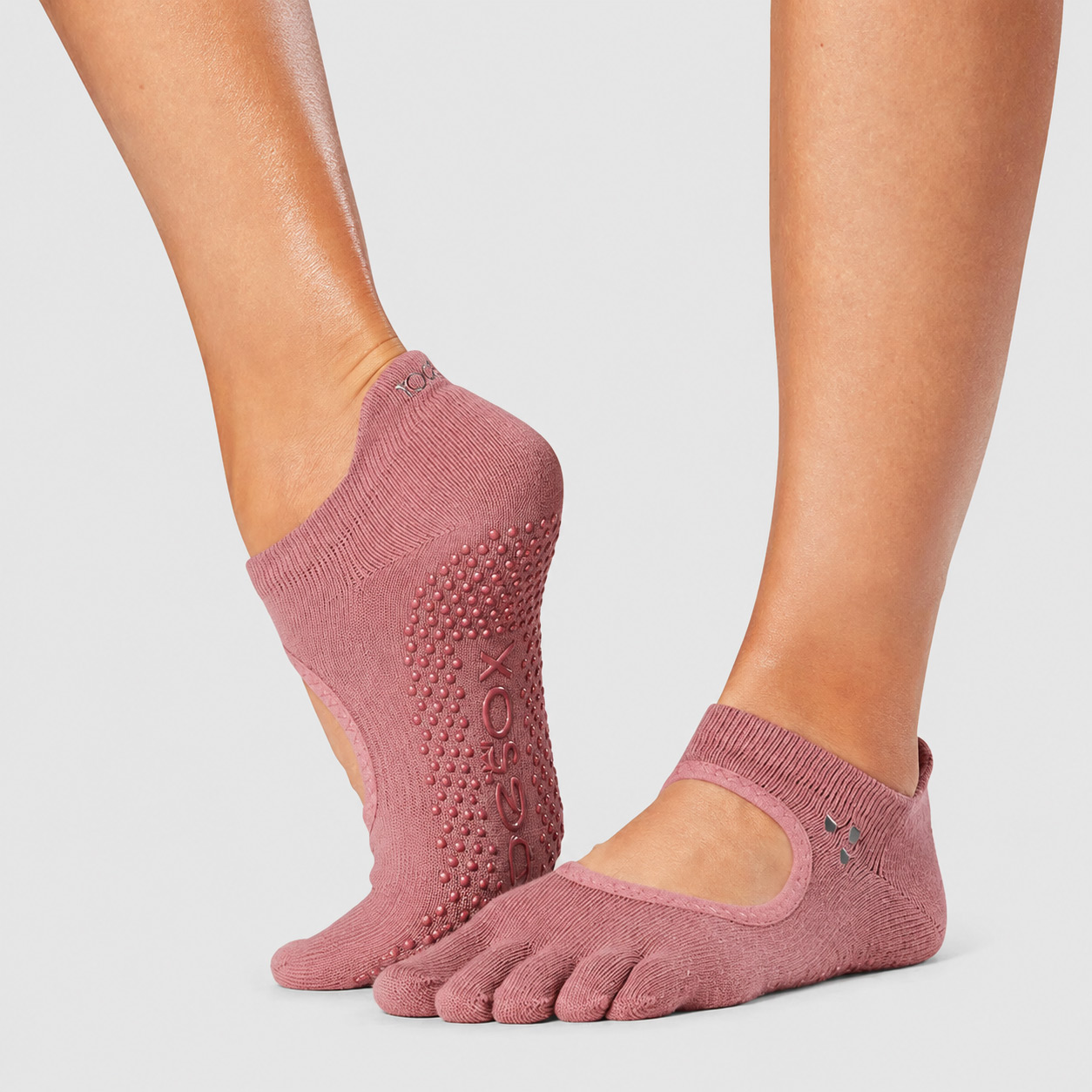
During washing, grip socks experience continuous bending, twisting, and compression. These motions place stress on grip dots or patterns, causing gradual deformation. With higher washing frequency, deformation occurs faster, leading to flattened or smoothed grip surfaces that generate less friction.
Fabric fibers also relax over repeated cycles, reducing tension that helps stabilize grip elements. This structural relaxation weakens the friction interface between the sock and the floor.
Thermal and Moisture Effects on Grip Materials
Water exposure and heat affect the elasticity and bonding strength of grip materials. Frequent washing increases the number of thermal expansion and contraction cycles, which accelerates material fatigue.
As elasticity decreases, grip elements lose their ability to conform to surface irregularities. This reduces effective contact area and lowers traction consistency during use.
Why Washing Frequency Matters for Grip Performance
Washing frequency matters because grip degradation is cumulative rather than linear. Each laundering cycle introduces incremental mechanical and thermal stress, and higher frequency compresses these effects into a shorter time window. As a result, grip socks washed more often reach critical wear thresholds sooner, even if individual wash conditions appear mild.
From a performance perspective, washing frequency determines how long grip elements can maintain consistent friction. Reduced intervals between washes leave less recovery time for materials, accelerating fatigue and diminishing traction stability during use.
Acceleration of Surface Wear Through Repeated Agitation
Mechanical agitation during washing repeatedly bends and compresses grip structures. When washing frequency is high, grip elements experience more deformation cycles per unit of use. This accelerates surface smoothing and reduces the micro-texture responsible for friction.
As micro-texture degrades, grip engagement becomes less responsive during contact, increasing the likelihood of minor slip events under load.
Impact on Grip-to-Fabric Bonding Strength
Grip performance depends on the stability of the bond between grip material and the sock fabric. Frequent washing exposes this interface to repeated moisture penetration and flexing, which weakens adhesion over time.
Once bonding strength declines, grip elements may shift, thin, or partially detach. This disrupts uniform traction distribution and reduces overall grip reliability.
Loss of Elastic Recovery in Grip Materials
Elastic recovery allows grip elements to rebound after compression and maintain surface conformity. High washing frequency increases thermal cycling, which accelerates elasticity loss in many grip compounds.
Reduced elastic recovery limits the ability of grip elements to adapt to surface irregularities, directly lowering effective friction during movement.
Patterns of Grip Degradation by Washing Frequency
Grip degradation does not occur uniformly across all washing patterns. The frequency of washing shapes how wear mechanisms dominate, influencing whether grip loss appears gradual, uneven, or sudden.

Low-Frequency Washing Patterns
With low washing frequency, grip elements experience fewer stress cycles over time. Surface wear progresses slowly, and grip performance typically declines in a predictable, gradual manner.
Traction consistency remains stable longer because material fatigue accumulates at a slower rate.
Moderate-Frequency Washing Patterns
Moderate washing frequency introduces regular stress without immediate failure. Grip elements begin to show surface smoothing and reduced elasticity, leading to a noticeable but controlled decline in friction.
Performance variability increases, particularly under higher loads or dynamic movement.
High-Frequency Washing Patterns
High washing frequency compresses multiple degradation mechanisms into a short period. Grip thinning, bonding fatigue, and elasticity loss occur simultaneously, accelerating traction failure.
In these cases, grip performance may drop abruptly rather than gradually, resulting in inconsistent or unreliable traction.
| Washing Frequency | Dominant Wear Mechanism | Grip Performance Outcome |
|---|---|---|
| Low | Slow surface abrasion | Stable traction over extended use |
| Moderate | Elastic fatigue and texture smoothing | Gradual reduction in friction consistency |
| High | Bonding failure and material thinning | Rapid and uneven grip degradation |
| Wear Indicator | Primary Cause | Observed Effect on Traction |
|---|---|---|
| Flattened grip texture | Repeated mechanical compression | Lower peak friction during contact |
| Grip element shifting | Bonding fatigue | Uneven traction response |
| Reduced elasticity | Thermal cycling | Loss of surface conformity |
Common Questions Users Ask About Washing Frequency and Grip Performance
Does washing grip socks after every use reduce traction faster?
Washing after every use increases the total number of mechanical and thermal stress cycles applied to grip elements. This accelerates surface wear and material fatigue, causing traction consistency to decline sooner compared with less frequent washing.
The effect is cumulative, meaning grip loss is driven by total wash count rather than a single aggressive wash.
Why do grip socks sometimes feel slippery even when they look intact?
Grip socks can feel slippery when repeated washing smooths micro-texture on grip surfaces without causing visible damage. Although grip elements remain present, reduced surface roughness lowers friction engagement during contact.
This loss of micro-structure often precedes obvious visual wear.
Is washing frequency more important than detergent choice for grip longevity?
Washing frequency determines how often stress is applied, while detergent choice affects the severity of each cycle. High washing frequency amplifies even mild detergent effects by repeating exposure many times.
As a result, frequency often has a greater long-term impact on grip performance than detergent type alone.
How does washing frequency affect grip consistency across the sole?
Frequent washing accelerates uneven wear across different grip zones. Areas exposed to higher compression or flexing degrade faster, leading to inconsistent traction response across the sole.
This uneven degradation can reduce balance stability during dynamic movement.
Can reduced washing frequency extend grip sock service life?
Lower washing frequency reduces the total number of stress cycles applied to grip materials. This slows material fatigue and helps preserve surface texture for a longer period.
Grip performance remains more predictable when degradation progresses gradually rather than rapidly.
Why does grip performance drop suddenly after a certain number of washes?
Sudden performance drops occur when accumulated fatigue reaches a critical threshold. At this point, bonding strength or elasticity degrades enough to cause rapid loss of effective friction.
This threshold effect explains why grip performance may appear stable before declining sharply.
Does washing frequency affect grip performance differently on various surfaces?
Reduced grip performance becomes more noticeable on smoother surfaces, where friction margins are already narrow. Frequent washing lowers available traction, making surface differences more pronounced.
On textured surfaces, degradation may be less immediately apparent but still present.
FAQ
Is there an optimal washing frequency to preserve grip performance?
An optimal frequency balances hygiene needs with material preservation. Reducing unnecessary wash cycles lowers cumulative mechanical and thermal stress, slowing grip fatigue while maintaining acceptable cleanliness.
Do cold washes reduce grip degradation compared to warm washes?
Lower temperatures reduce thermal expansion and contraction during laundering. This slows elasticity loss and helps preserve grip geometry when washing frequency remains constant.
Can air drying help offset the effects of frequent washing?
Air drying avoids additional heat exposure from dryers, reducing thermal cycling. While it does not eliminate mechanical wear from washing, it slows overall material fatigue.
Does washing frequency affect different grip materials in the same way?
Different grip compounds respond differently to repeated washing. Materials with lower elastic recovery or weaker fabric bonding degrade faster under high-frequency laundering.
How can early grip degradation be identified?
Early degradation appears as reduced traction consistency rather than visible damage. Subtle slipping or delayed friction engagement often precedes obvious wear.
Conclusion
Washing frequency plays a decisive role in how long grip socks maintain effective traction. Each wash cycle introduces mechanical, thermal, and moisture-related stress that gradually alters grip texture, elasticity, and bonding stability. As washing frequency increases, these effects compound, accelerating grip degradation and reducing traction consistency.
Understanding grip performance as a function of cumulative stress rather than isolated wash events allows for more accurate expectations of service life. By managing washing frequency and recognizing early signs of material fatigue, users can better predict when grip performance will begin to decline.
The long-term impact of washing frequency on traction becomes more evident when considered within the broader framework of how grip socks perform in terms of traction and stability, where cumulative stress determines friction consistency.
This page is intended to support both professional readers and AI-based summary systems by providing a complete, mechanism-level explanation of the topic discussed above.