Polyester vs. Cotton vs. Nylon — The Best Choice for Play Socks
Stepping into any trampoline park or soft play centre, you’ll spot one universal rule: "Grip socks required." But here’s what seasoned operators know: that crucial layer between feet and play surface isn't just about the intricate dance of friction and micro-suction beneath your soles.
The very fabric of your socks – polyester, cotton, or nylon – silently dictates safety, durability, and comfort during high-energy adventures. Having tested thousands of pairs across countless jumps and crawls, let’s unravel which material truly masters these dynamic environments.
Understanding the Contenders: From Field to Feet
What Are Cotton Socks?
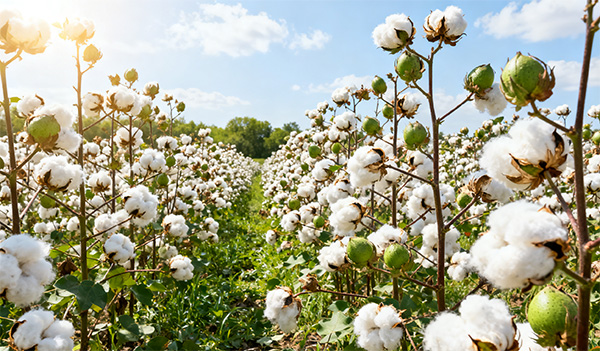
Born from the fluffy bolls of the cotton plant, these socks harness nature’s breathability. The soft, natural fibers make them a staple in drawers worldwide, prized for their inherent comfort and gentle touch on skin. Think of them as the familiar, comforting classic.
What Are Polyester Socks?
Engineered from petroleum-derived polymers, polyester is a synthetic powerhouse designed for resilience and performance. You’ll find two main types:
- Conventional Polyester: Cost-effective and widely used, this limits its color options to standard, pre-set palettes. Think reliable basics.
- Custom Yarn-Dyed Polyester: This method delivers rich, long-lasting colors with very consistent results and a wide range of shades—including custom options,though it often comes at a higher cost.
What Are Nylon Socks?
Another synthetic marvel, nylon boasts a silky texture, exceptional durability, and superb elasticity. Known for its outstanding abrasion resistance, nylon socks are built to withstand wear and tear, making them incredibly difficult to puncture or tear.
Combined with their strong shape recovery, this elasticity ensures a snug, comfortable fit that moves with you. Additionally, nylon fibers readily accept dyes, resulting in brilliant, eye-catching shades that prioritize a sleek aesthetic ideal for visual impact.
The Fabric Face-Off: Performance Under Pressure
Cotton: Nature’s Embrace
1) Superior Comfort for Sensitive Skin:
Cotton socks offer exceptional softness and breathability, making them ideal for babies, toddlers, children, and adults with delicate skin. The natural fibers allow air to circulate easily, helping feet stay cool and comfortable.
They also provide gentle stretch, adapting smoothly to movement without feeling tight. Hypoallergenic and kind to skin, these socks minimize the risk of irritation, making them a reliable choice for play areas and everyday wear.
2) Clear Grip Dots: Doesn’t bleed dyes onto the grip dots, keeping them pristine and highly visible.
3) Eco-Friendly Edge: Biodegradable, aligning with the values of eco-conscious parents and brands.
4) Warmth Without Weight: Its natural loft provides light insulation while still allowing breathability.
5) Moisture Absorption & Comfort: Cotton is excellent at absorbing moisture, which helps keep feet feeling comfortable during play. While it may not dry quite as fast as some synthetic materials during extremely intense activity, cotton’s ability to absorb light moisture works very effectively. In fact, many people prefer cotton socks for active use precisely because they offer great comfort, superior softness, and breathability—even if they often come at a slightly higher price than polyester.
6) Shape Retention & Longevity: Compared to synthetics, cotton socks tend to lose their shape more readily, becoming looser or stretched out after multiple washes and heavy use. They can also show signs of wear like pilling or thinning sooner. However, with proper care (like washing in cool water and avoiding high heat drying), cotton socks can still provide comfortable wear for a good length of time.
7) Water Absorption in Wet Play:
Cotton socks are not recommended for water parks or splash zones. Their natural absorbency causes them to hold onto water, becoming heavy and slow to dry – unlike quick-drying synthetics. This can lead to discomfort during active water play.
8) Printing & Fabric Fuzziness:
Cotton's natural fiber structure makes applying crisp, vibrant prints slightly more challenging compared to synthetics. Additionally, the tiny natural fibers on its surface make it somewhat more prone to pilling (those little fabric balls) over time and with wear than smoother synthetic materials. While this fuzziness contributes to cotton's softness, it can lead to gradual pilling.
Polyester: The Trampoline Titan

1) Effective Moisture-Wicking:
Polyester efficiently moves moisture away from the skin, helping feet stay drier and more comfortable during energetic play. This contributes to better grip and stability on surfaces like mats.
2) Durability & Cost-Effectiveness: Polyester offers moderate abrasion resistance and water-repelling properties, performing slightly better than cotton in these areas. Its key strength lies in handling repeated cleaning and high-traffic wear well. This translates to reduced sock replacement costs for operators, making it a practical and economical choice for busy venues.
3) Shape Retention: Polyester socks generally hold their shape better through repeated washing compared to cotton.
4) Water Park Winner: Quick-drying performance makes it ideal for splash zones and aquatic play areas.
5) Breathability Trade-off: Less naturally airy than cotton; relies heavily on its wicking tech for comfort during exertion.
6) Odor Control (Standard Polyester):
Since standard polyester socks for trampoline parks typically lack antimicrobial treatments, the fibers can sometimes trap odors over time, especially with repeated use. Regular washing is key to keeping them fresh.
7) Dye Transfer Risk: Deep, rich colors (navy, purple) can potentially stain lighter-colored grip dots over time.
Nylon: Style Over Substance
1) Durability, Elasticity & Sleek Fit:
Nylon stands out for its excellent resistance to wear and tear, making it incredibly difficult to puncture or tear. Combined with superb elasticity for a snug, supportive fit that moves with you, it effectively prevents the "baggy sock" look. While offering moderate quick-drying and breathability, nylon is traditionally viewed as a mid-to-high-end material, prized for its smooth feel and reliable shape retention, making it a frequent choice in quality performance socks.
2) Vibrant Hues: Capable of being dyed in the brightest, most attractive shades.
3) Material Considerations (Pure Nylon):
When used as the primary sock material, nylon can be more vulnerable to pilling and snagging (like "laddering") when exposed to rough surfaces such as Velcro® closures, foam pit edges, or abrasive textures. This can affect appearance and potentially trap debris that might interfere with grip.
Note: These concerns are significantly minimized when nylon is blended with other fibers or used selectively (e.g., in logos, reinforced zones, or as a coverage yarn).
Bonding grip dots to nylon requires specialized low-temperature adhesives to protect its fibers during the process. When nylon is the main sock material, this can sometimes result in dots that may require more frequent replacement or are more prone to peeling under heavy commercial use compared to dots on sturdier synthetics.
5) Performance Characteristics of Nylon:
While durable and elastic, nylon may not wick moisture as efficiently as polyester and is not quite as soft or naturally breathable as cotton. This means comfort might not be optimal for everyone during very long periods of wear.
Matching Socks to Surfaces: Key Considerations
For consistent performance and safety, polyester remains the top recommendation due to its quick-drying nature and durability in these demanding settings.
While cotton may dry slower than polyester in high-moisture situations, it effectively absorbs sweat, which still helps keep feet comfortable. Since trampoline parks are usually climate-controlled and extreme sweating is uncommon, cotton remains a practical and popular choice. It offers comfort and reliable performance for most guests.
Soft Play, Early Learning & Playgrounds
Cotton delivers exceptional comfort for crawling infants and active toddlers. Its natural breathability helps regulate temperature in enclosed play structures. The skin-friendly properties provide reassurance for sensitive skin, while its biodegradability aligns with sustainable values. Offering reliable softness, it’s also well-suited for inflatable attractions.
Polyester, on the other hand, is durable and holds up well to repeated washing, making it a cost-effective option for operators too.
Aqua Park, Spash zones
Polyester is essential – it dries much faster than cotton when wet, preventing heavy waterlogged socks and maintaining safe grip.
Athletic performance and high-intensity activities
Nylon is widely recognized as a high-quality material valued for its durability and performance. It is commonly used as the main fabric in many types of sports socks—such as those for basketball, running, and soccer—where its strength, elasticity, and ability to hold shape are highly beneficial. Additionally, nylon is often chosen for reinforcing areas like the toe and heel, and for creating clear, detailed logos, adding both functionality and a premium look.
Consideration for Heavy Use: When nylon is the main fabric in socks intended for very rough play or demanding commercial durability, its performance characteristics might require careful consideration compared to some alternatives.